Energy systems. Health facilities. Applied research.
Power systems for hospitals keep people alive.
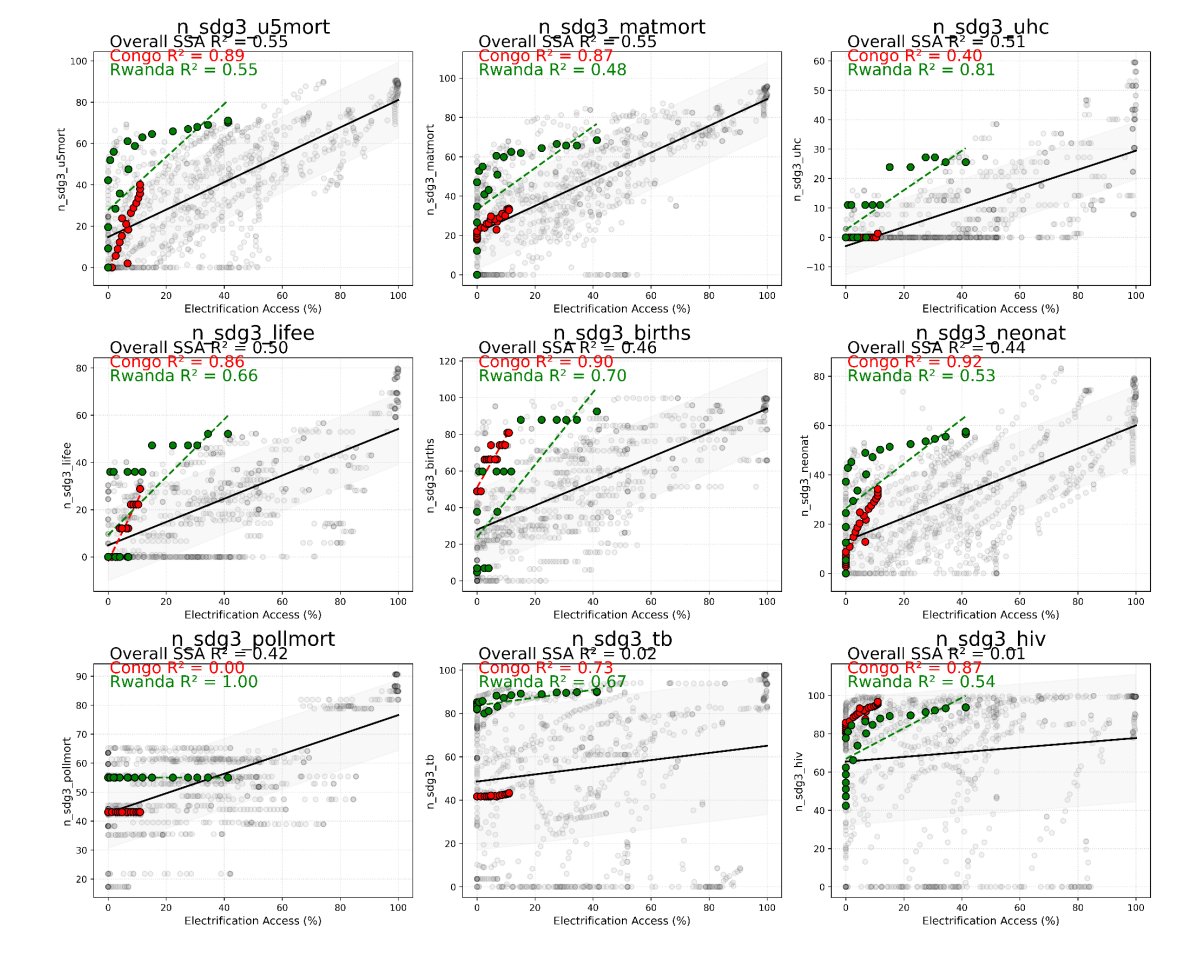
I help partners install, monitor, and finance reliable power for health facilities in Central Africa, translating engineering data, public health outcomes, and local implementation realities into decisions that last.
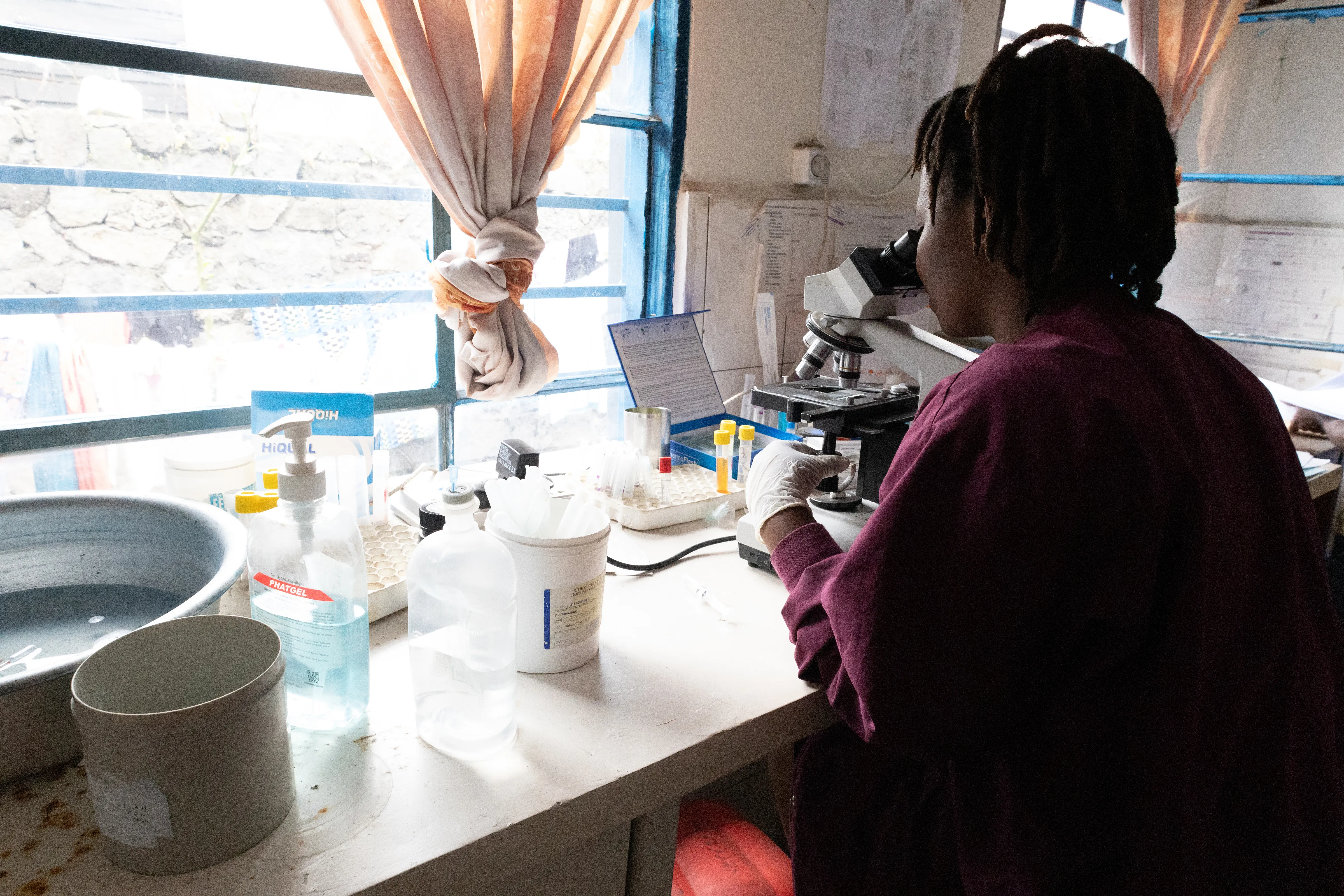
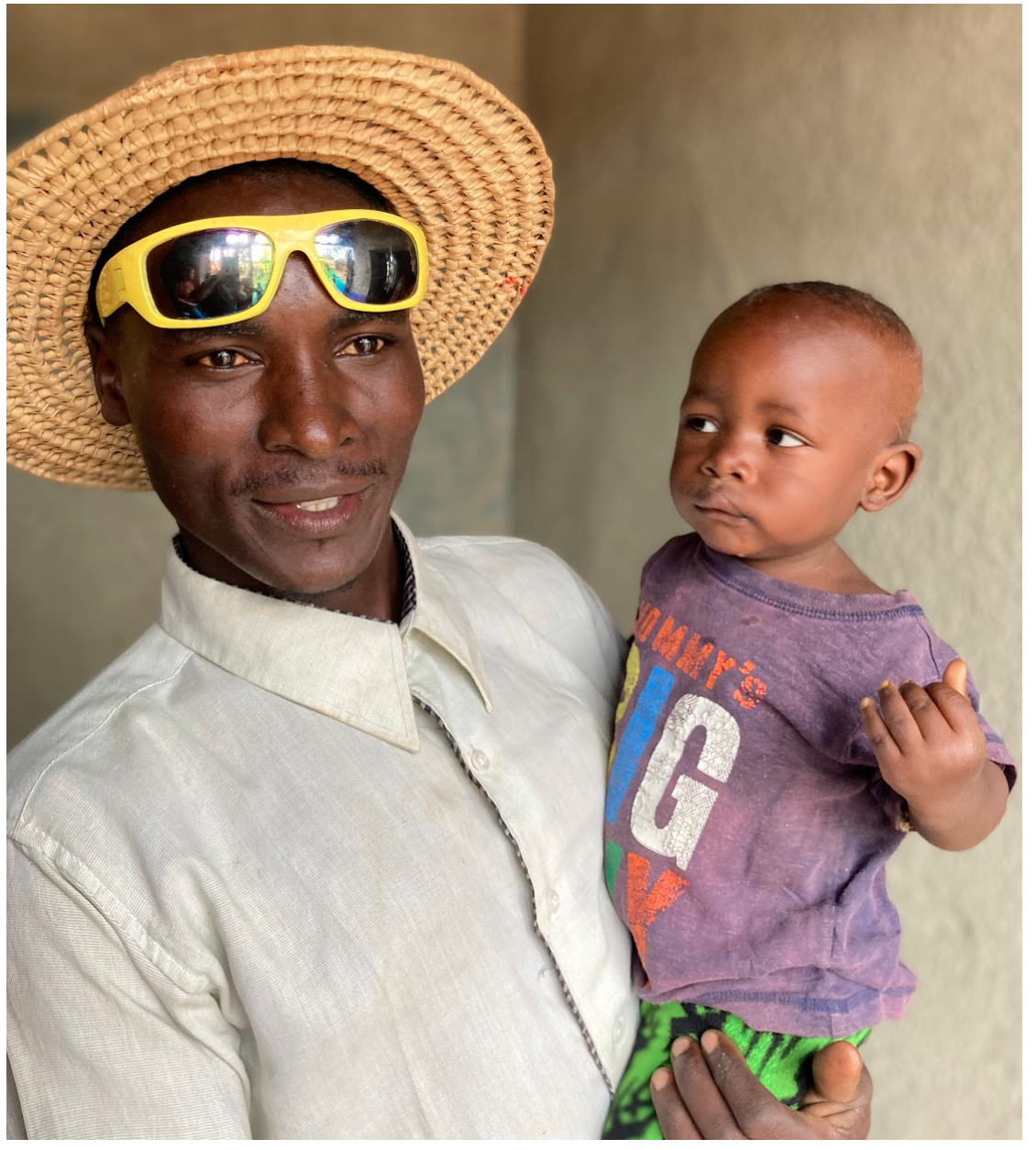
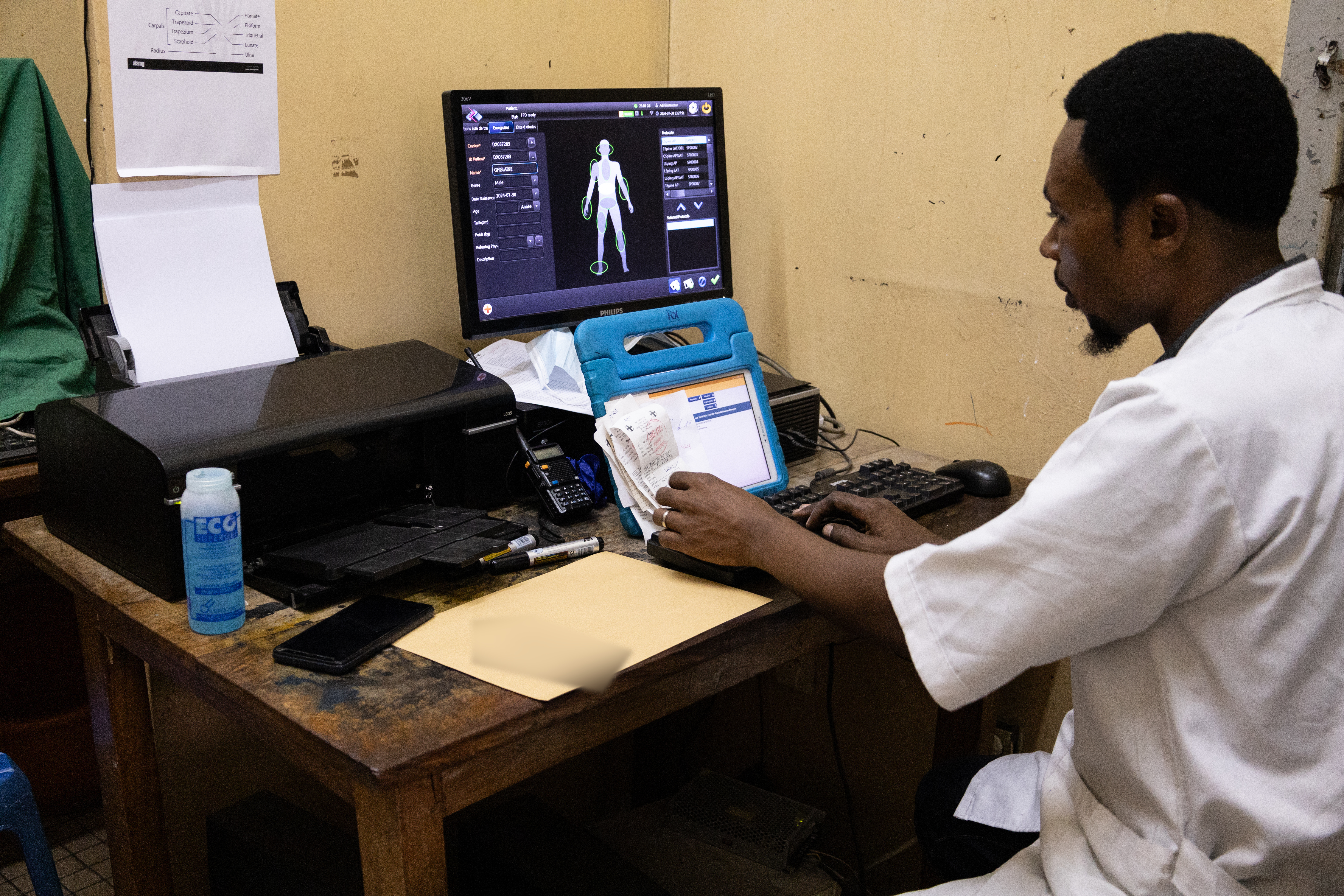
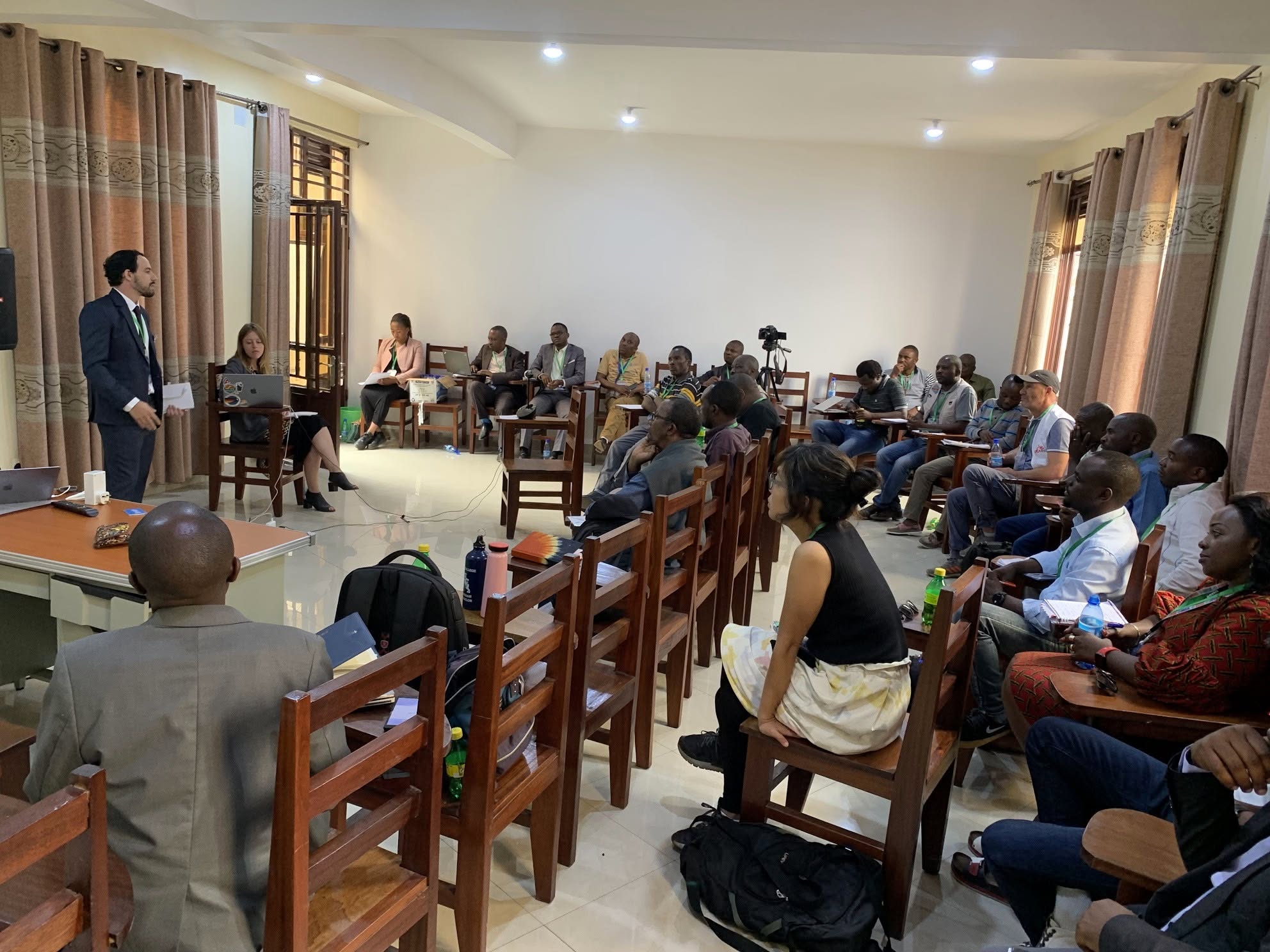
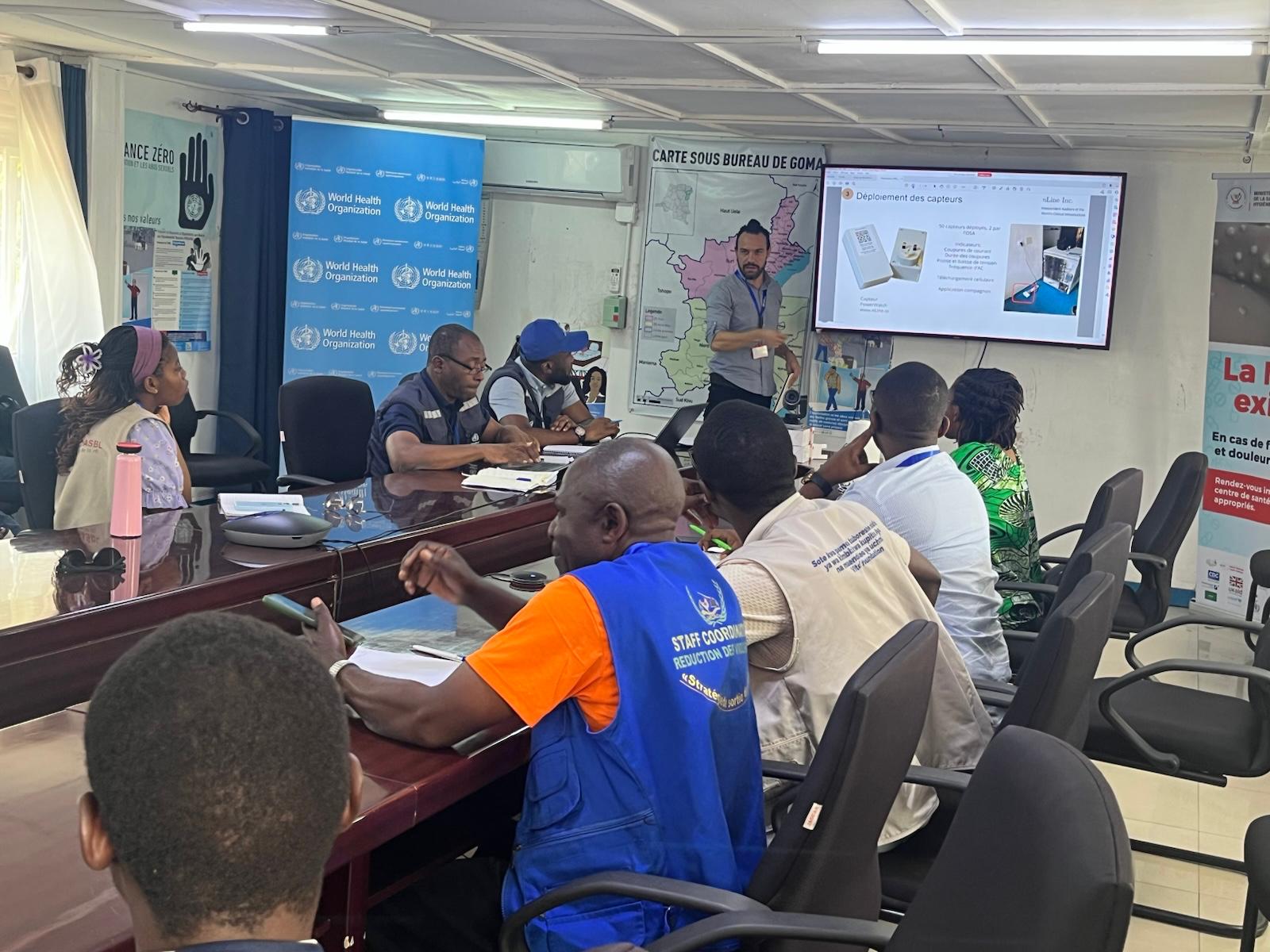
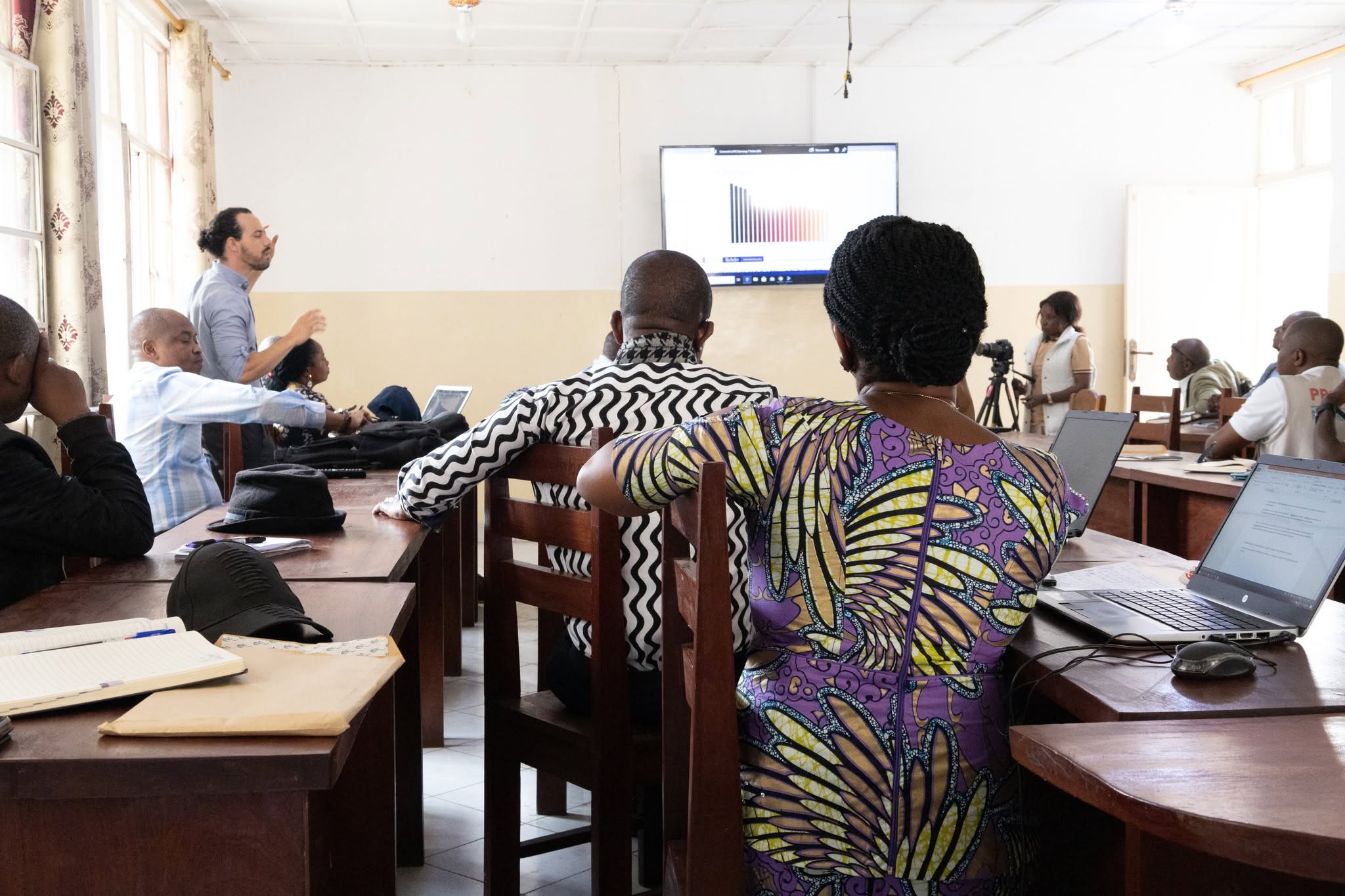
Research, implementation, and monitoring in low-resource health settings. Photo credit: RCHA, WPower
About
Interdisciplinary by training, implementation-focused by choice.
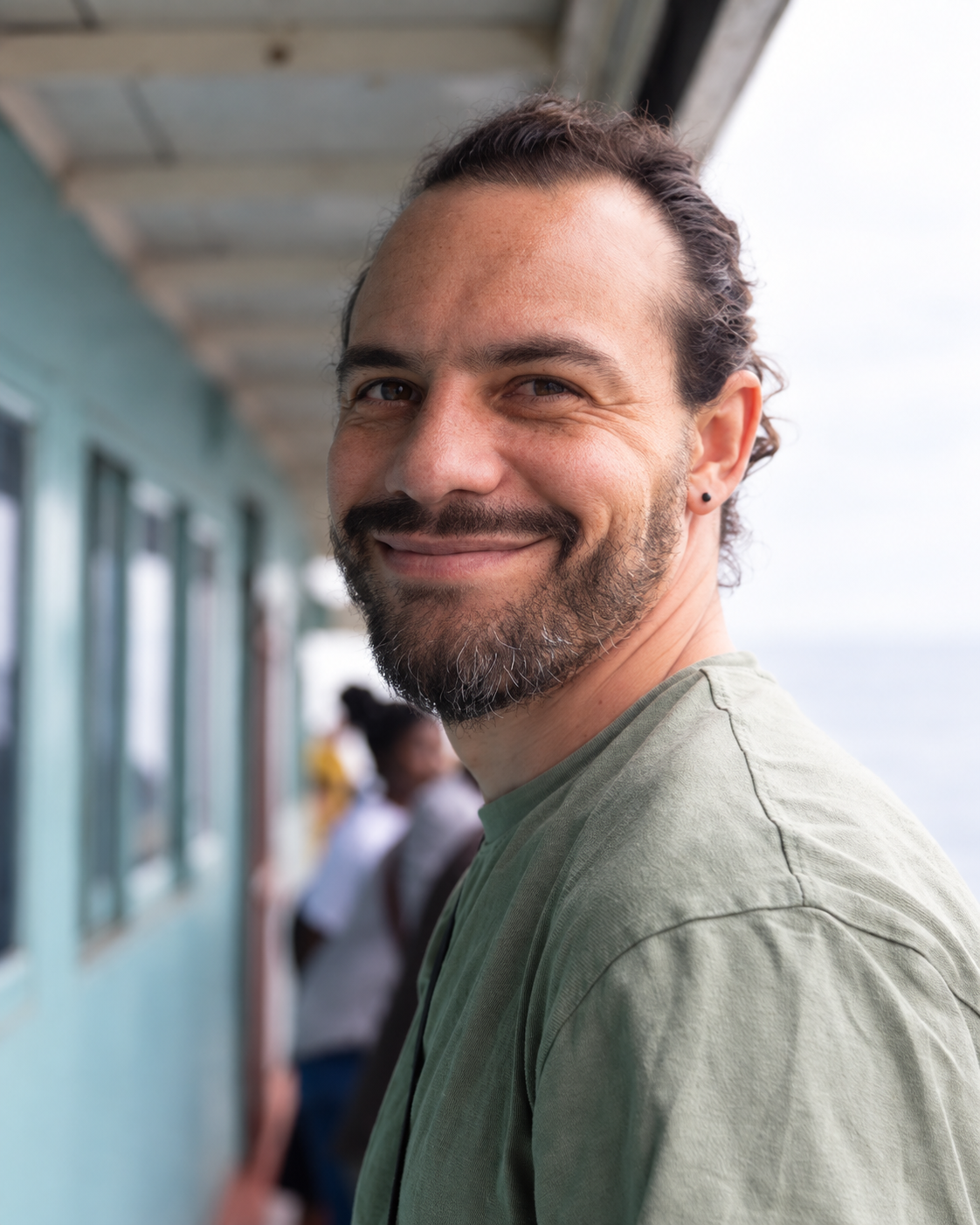
Samuel B. Miles, PhD
I was mostly raised in Massachusetts and Martinique (French West Indies), along with a few other Anglo-Franco postcolonial borderlands. This helped orient a professional throughline: learning how power, connectivity, institutions, and trust shape what people can do.
My formal training began in ethics, politics, and economics at Yale and international energy at Sciences Po - Paris, then widened through a decade of development advisory, teaching, climate technology, and African energy work. Later, at UC Berkeley, I added electrical engineering and data science to the toolkit.
Today my work sits between field implementation and academic evidence. I design and manage programs that make infrastructure performance visible, especially where reliability can affect clinical care, health-system trust, and avoidable mortality.
Current Focus
Health facility electrification as a health systems intervention.
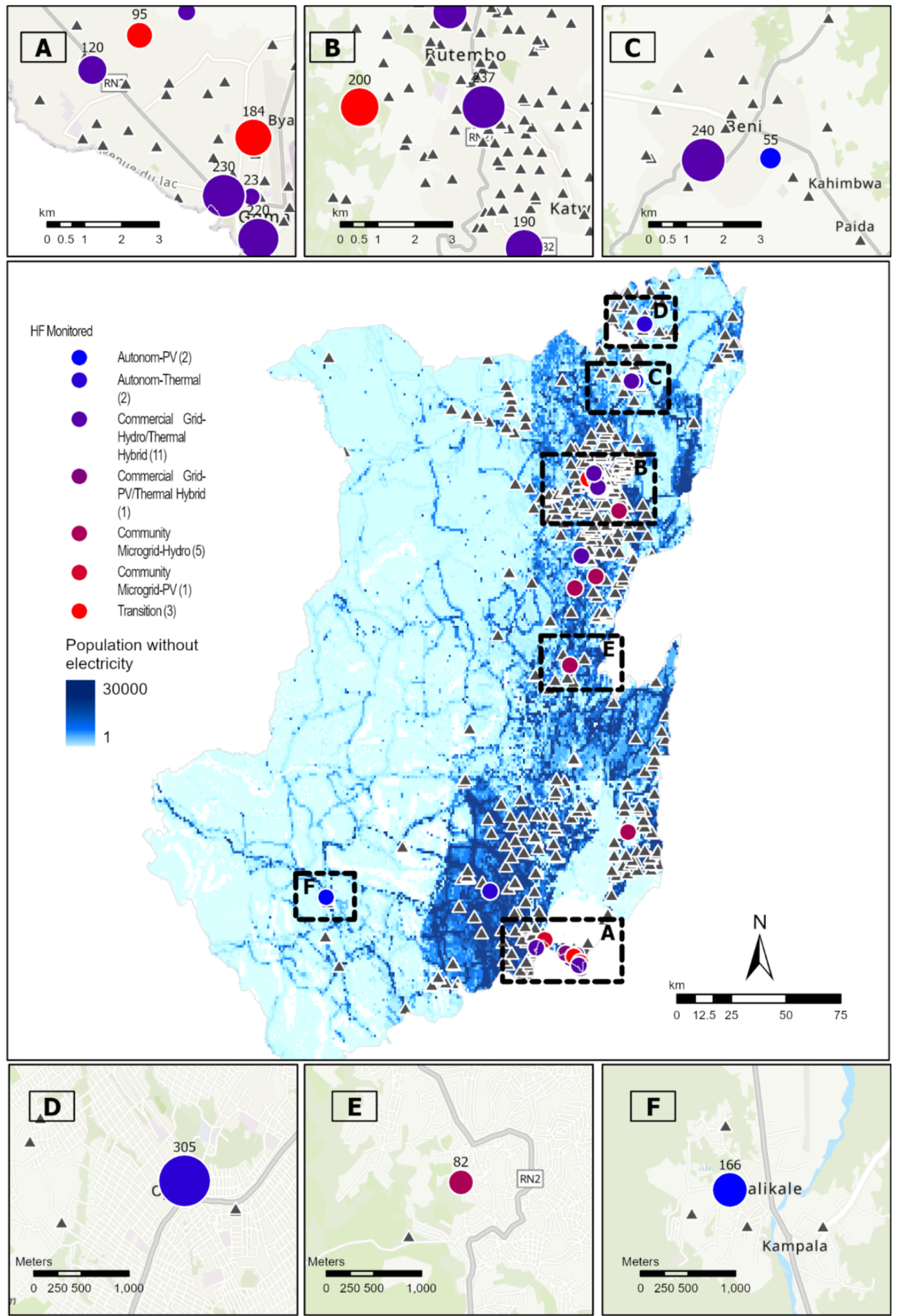
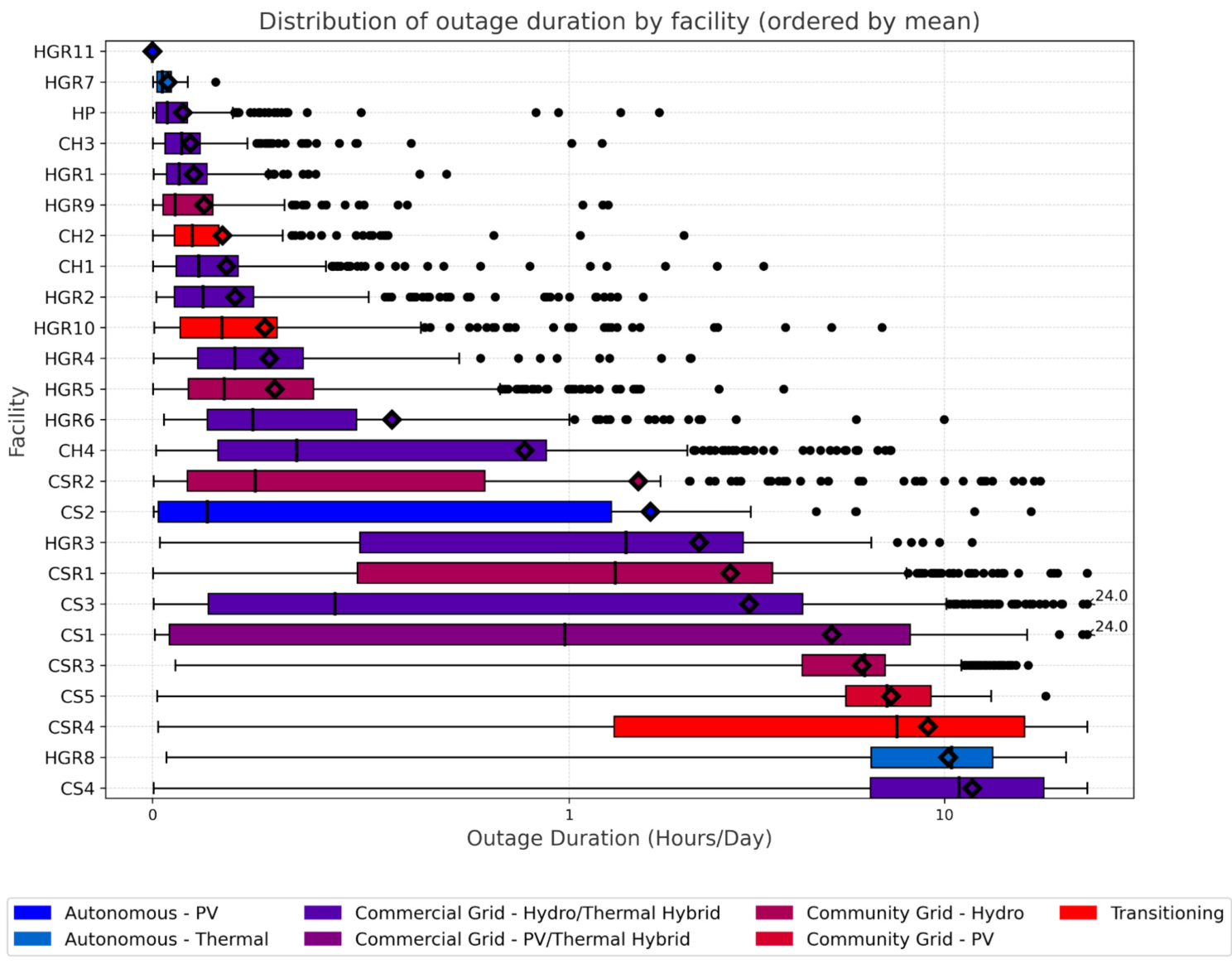
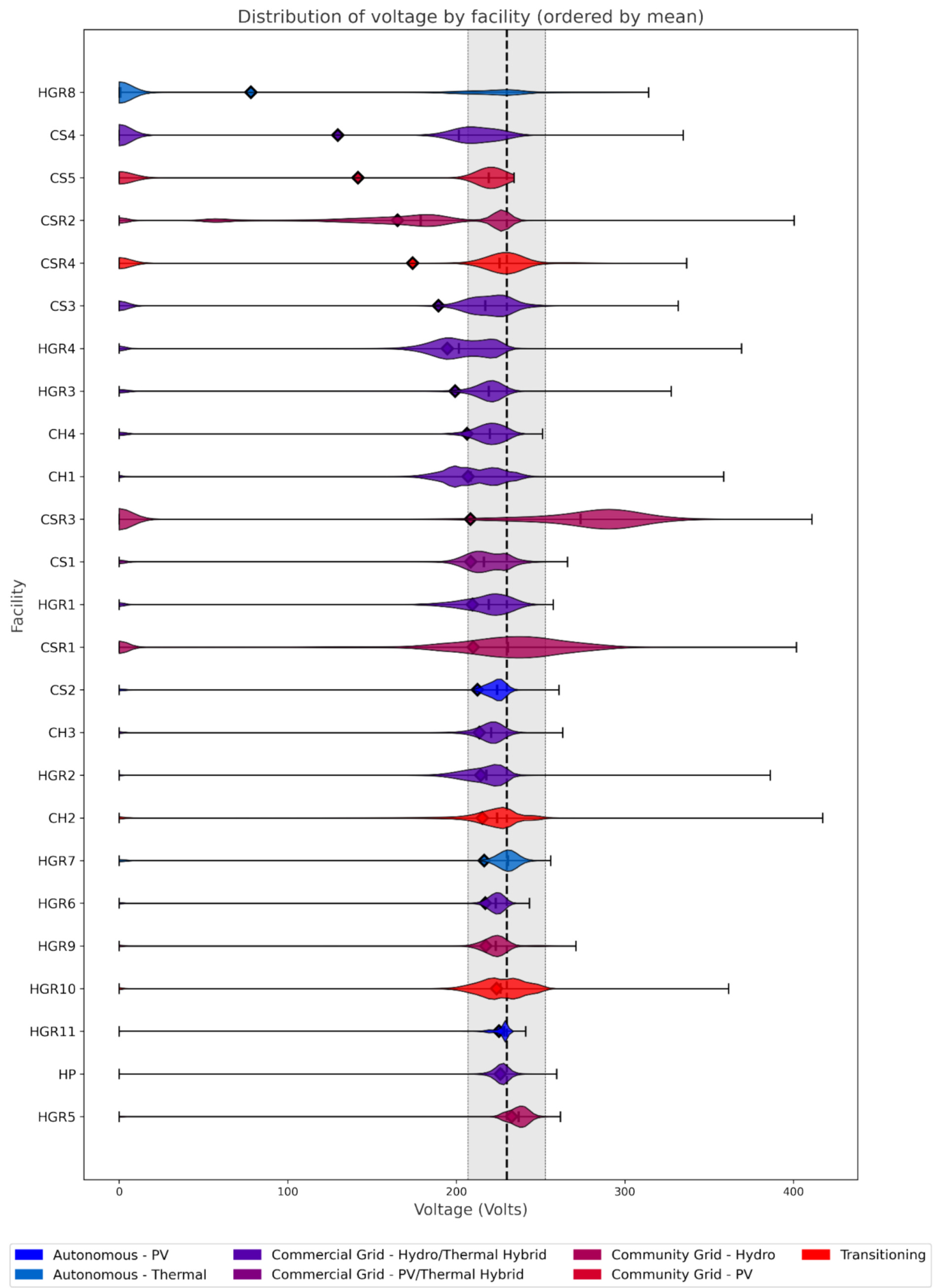
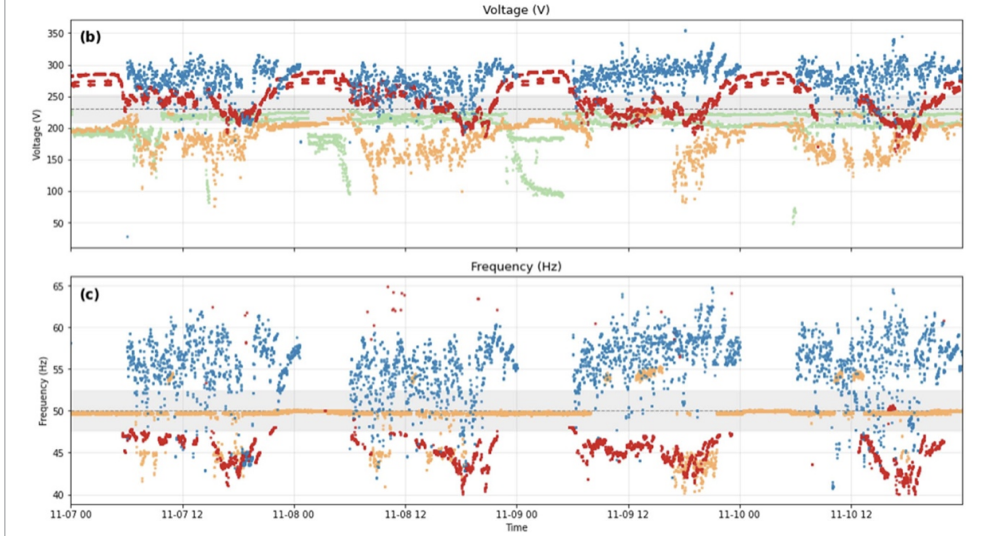
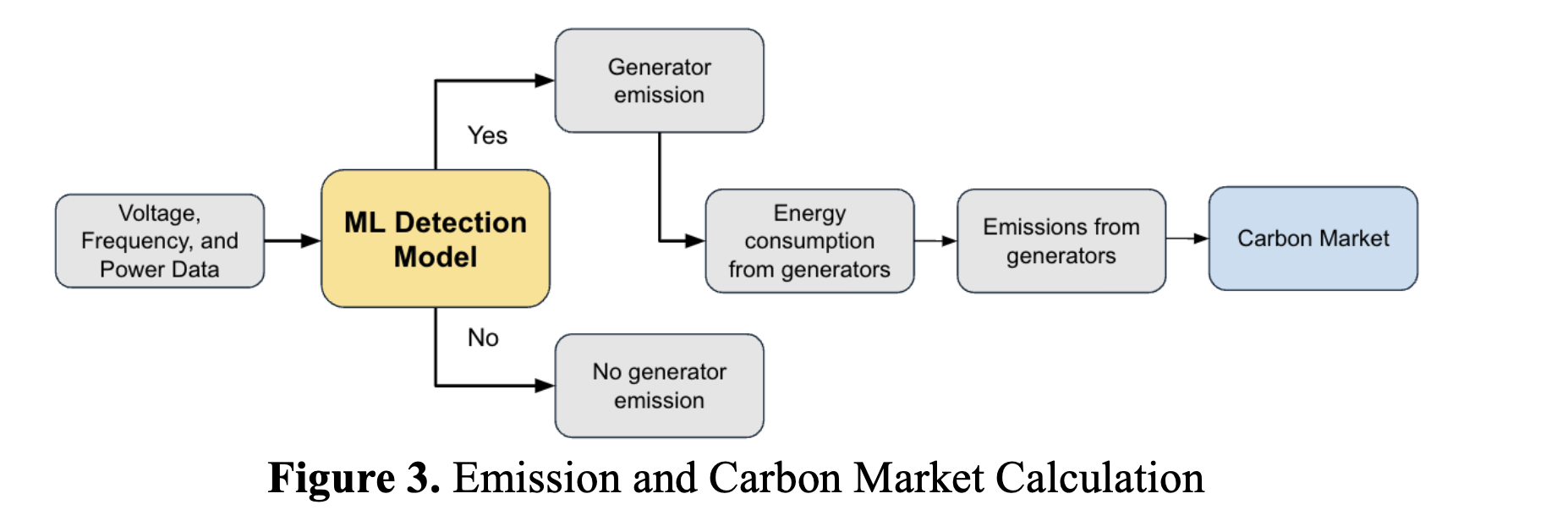
In North Kivu, my partners and I moved from sensor-based evidence generation to a hospital solarization, maintenance, repayment monitoring, and live operational learning effort. The work integrates telemetry, DHIS2, repayment, implementation, geospatial, and facility operations data.
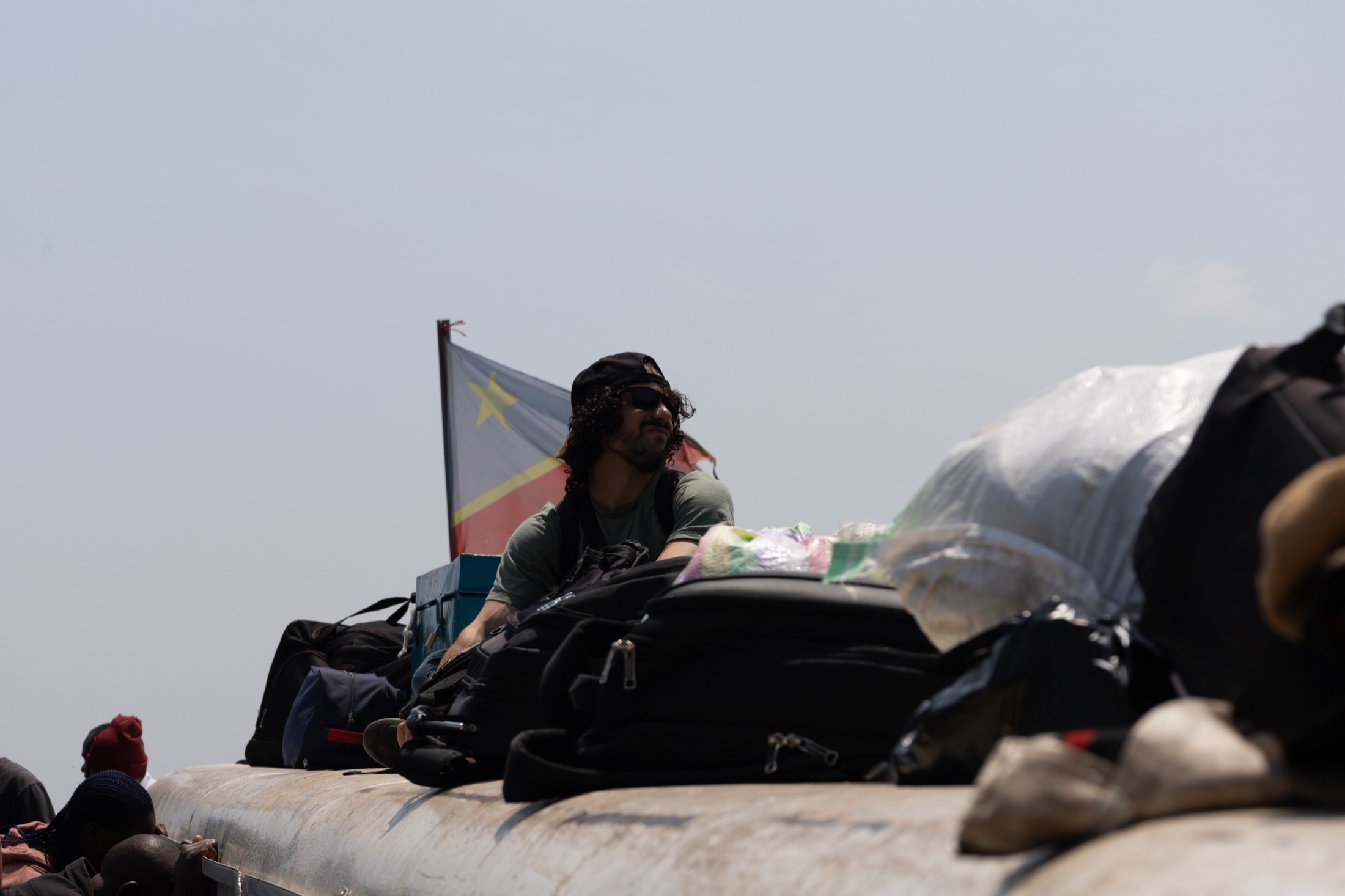
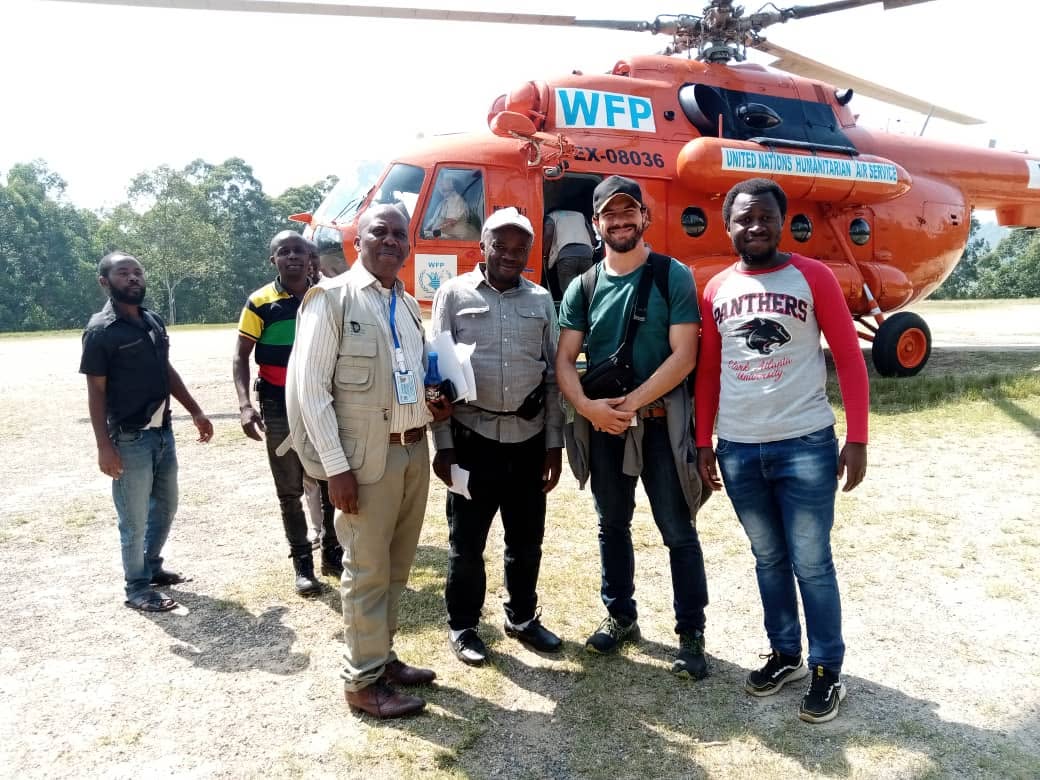
Field travel in eastern DRC for health-facility electrification work.Photo credit: Kersey 2024
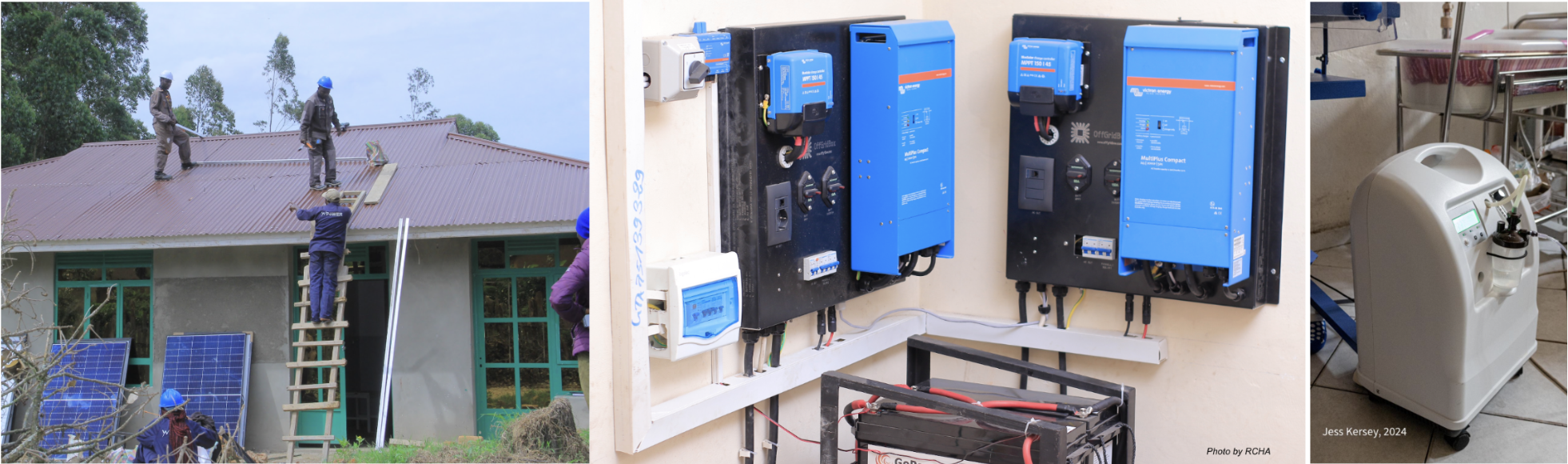
Installation, power electronics, and critical equipment in eastern DRC.Project archive from health-facility electrification work.
CV
Energy and development leader with 15 years of applied experience.
Africa energy strategy and health-facility electrification
FCV and humanitarian energy programs in fragile and conflict-affected settings
Digital monitoring, reporting, and verification for infrastructure performance
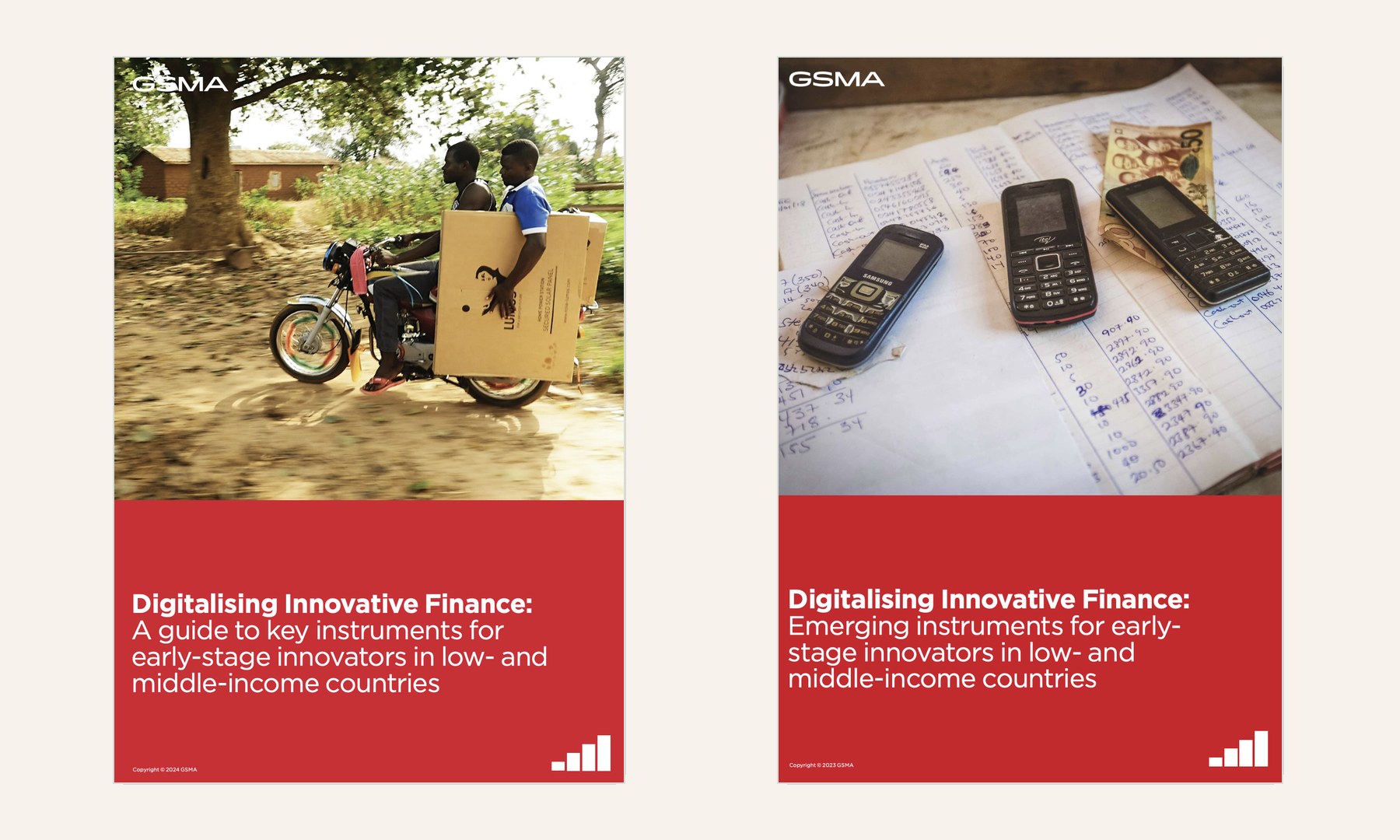
Results-based finance, energy-as-a-service, telemetry, DHIS2, and geospatial data
Program design, partnerships, grant strategy, donor communications, and adaptive implementation
2020-present
Global Partnership and Program Coordination Lead
DRC Health Facility Electrification Program, Johns Hopkins / UC Berkeley
Lead multi-institutional research and implementation across electricity reliability, global health, emissions, climate finance, sensor telemetry, DHIS2 data, repayment tracking, and facility operations.
2017-present
Independent Consultant and Researcher
Energy, climate, geospatial, and development strategy
Advise organizations working across energy access, digital finance, emerging-market innovation, oxygen access, climate data, and infrastructure strategy.
2022-2023
Graduate Student Researcher
Lawrence Berkeley National Laboratory
Reviewed minigrid techno-economics and regulatory trends across selected US and African states.
2015-2016
Projects Facilitator and Program Designer
African Leadership University, Mauritius
Directed project-based strategy engagements for 60 first-year students from across Africa and launched an English immersion program.
2013-2015
Consultant
Dalberg Advisors, Dakar
Supported foundations, DFIs, and private-sector clients on energy access, agriculture, infrastructure, resilience, and investment strategy across African markets.
Education and field experience
PhD, Energy & Resources Group, UC Berkeley. MA, International Energy, Sciences Po - Paris. BA, Ethics, Politics & Economics, Yale University.
Field experience
DRC, Ghana, Haiti, Mali, Mauritius, Mozambique, Niger, Nigeria, Rwanda, Senegal, South Africa, Tanzania, and Uganda.
Languages
English and French native; Spanish intermediate; Wolof basic.
Mentoring, advising, and co-learning
Health Energy Action Lab
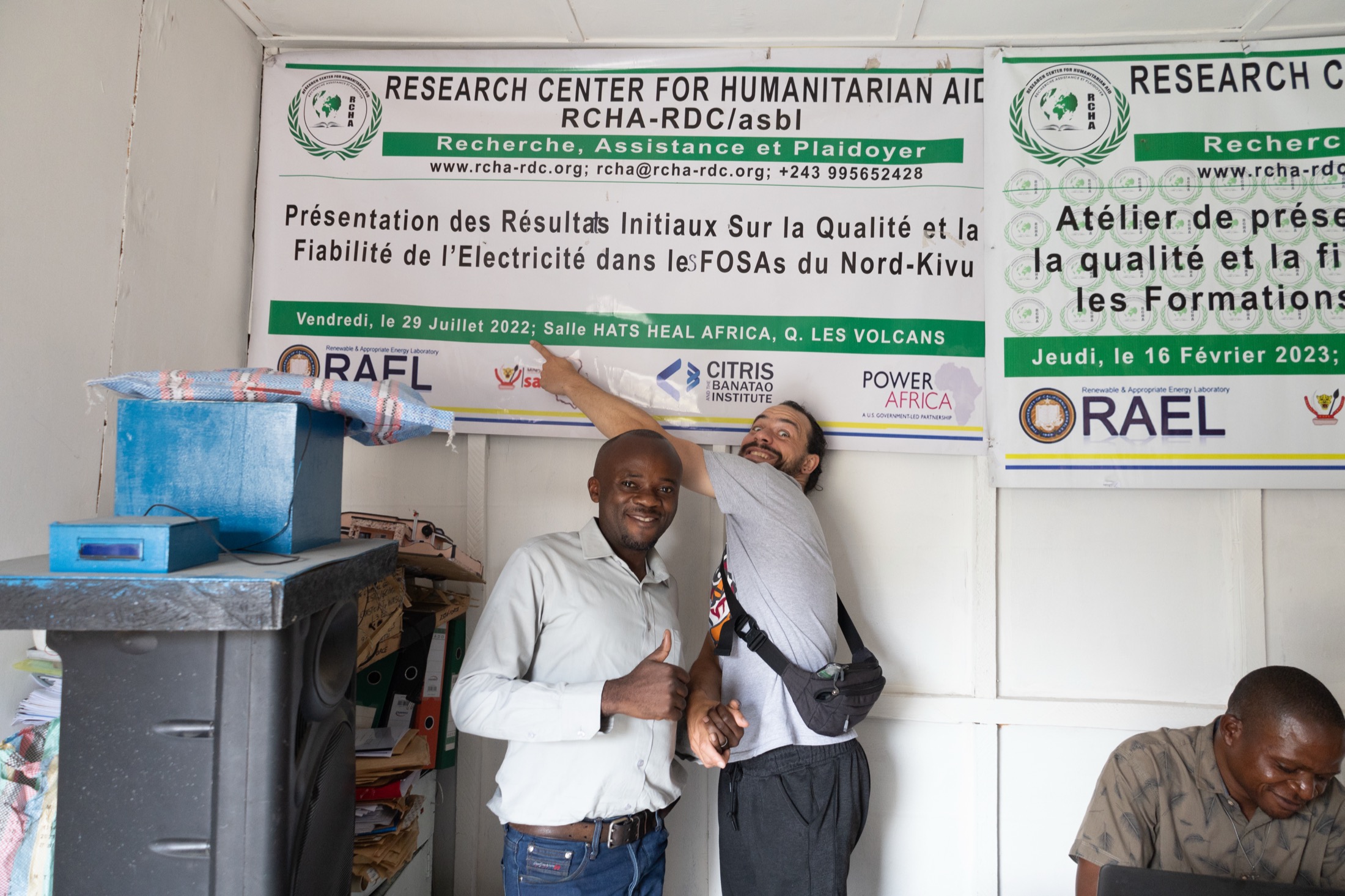
North Kivu field workshop
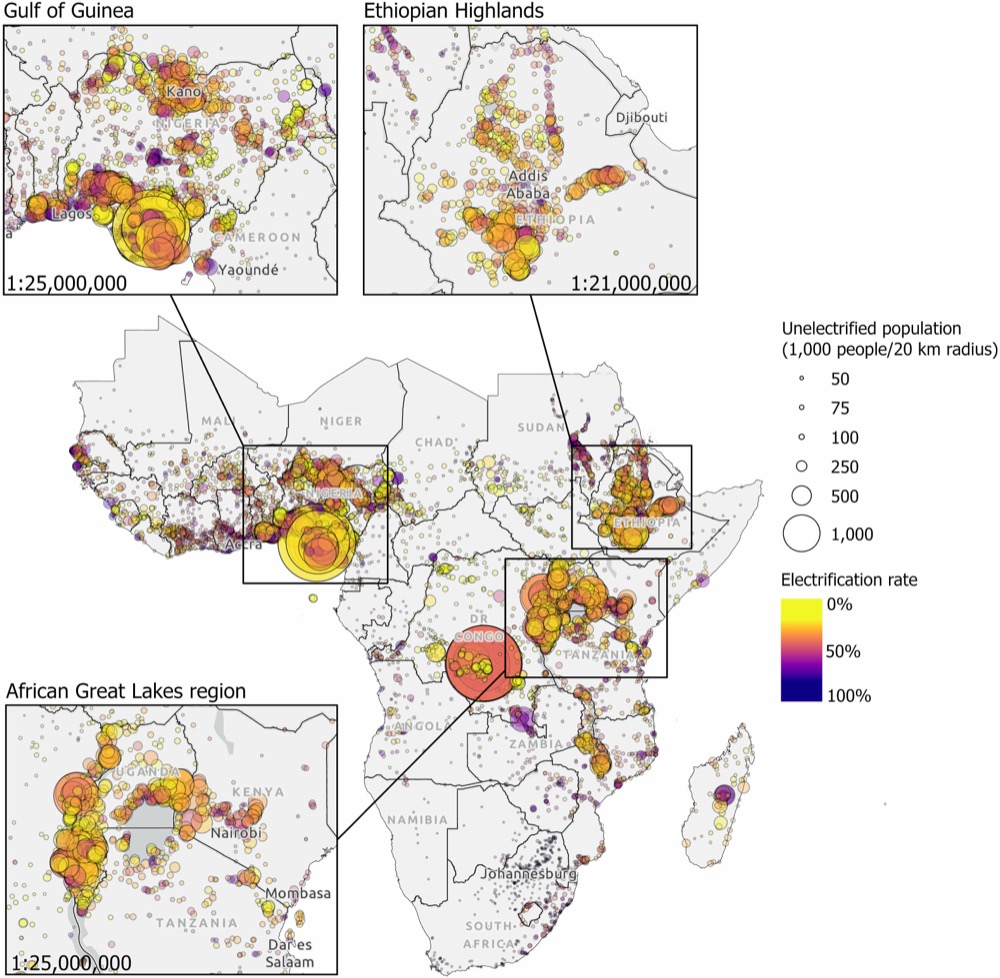
I run the Health Energy Action Lab, focused on electrification in the African Great Lakes region. Past and present collaborators in the lab contribute to analysis, implementation, writing, and co-publication, including undergraduates, master's students, and PhD students who go on to prominent roles in academia, research, policy, activism, and engineering.
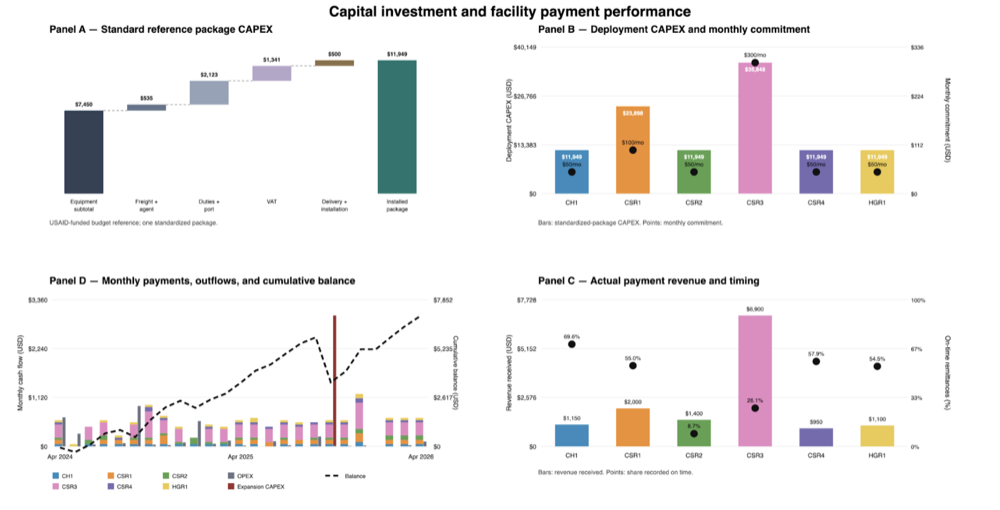
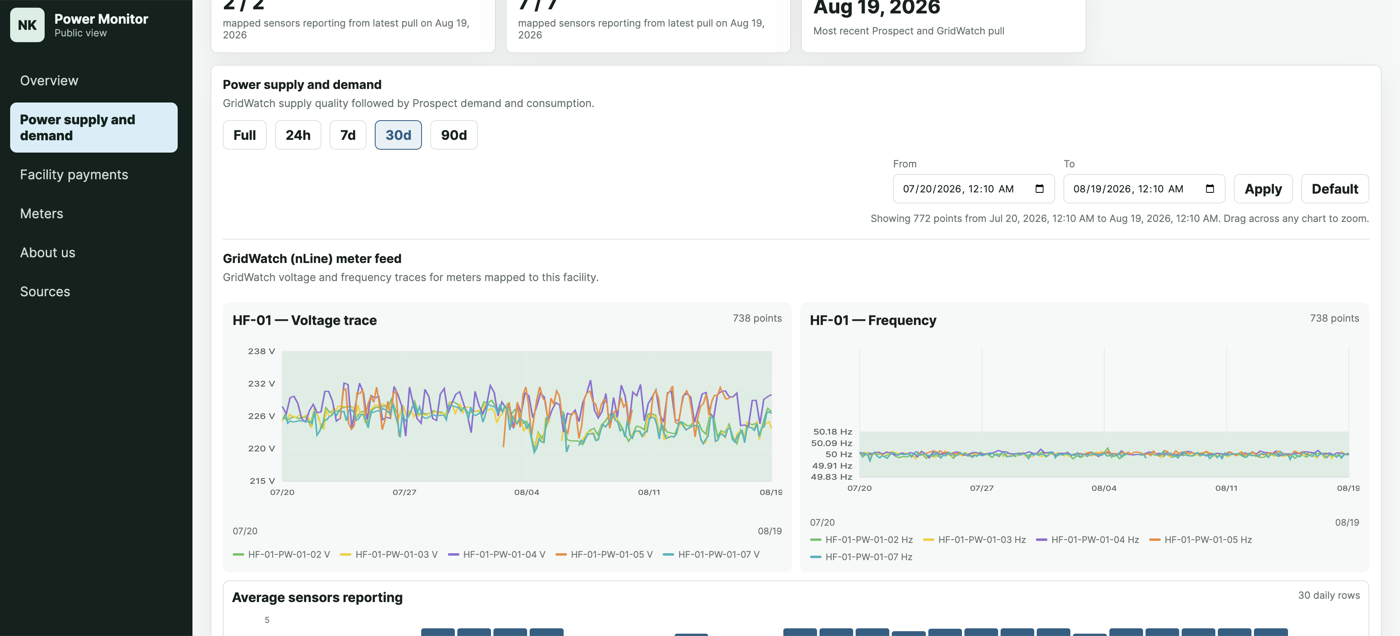
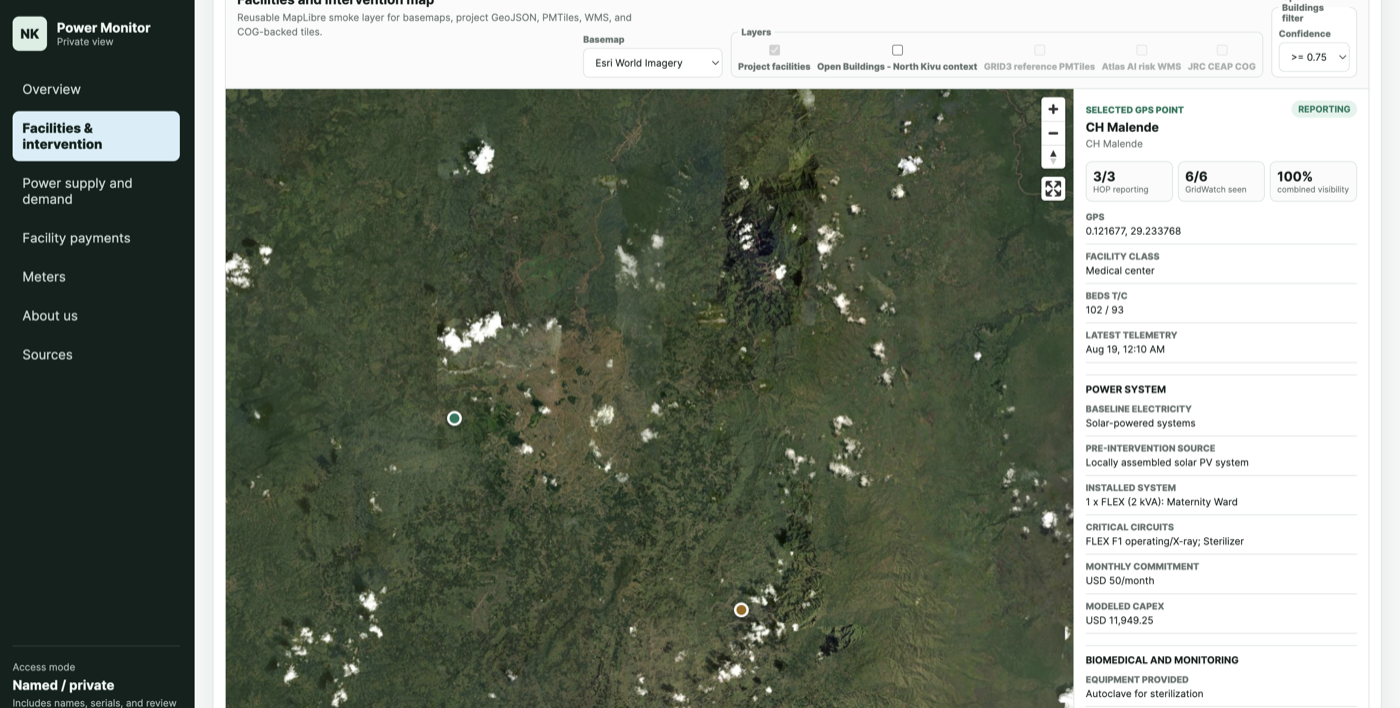
Operational dashboard for health-facility electrification
Results-based finance and energy-as-a-service dashboard integrating telemetry, DHIS2, repayment, and implementation data, commissioned by UNOPS through the Powering Healthcare Innovation Grant.
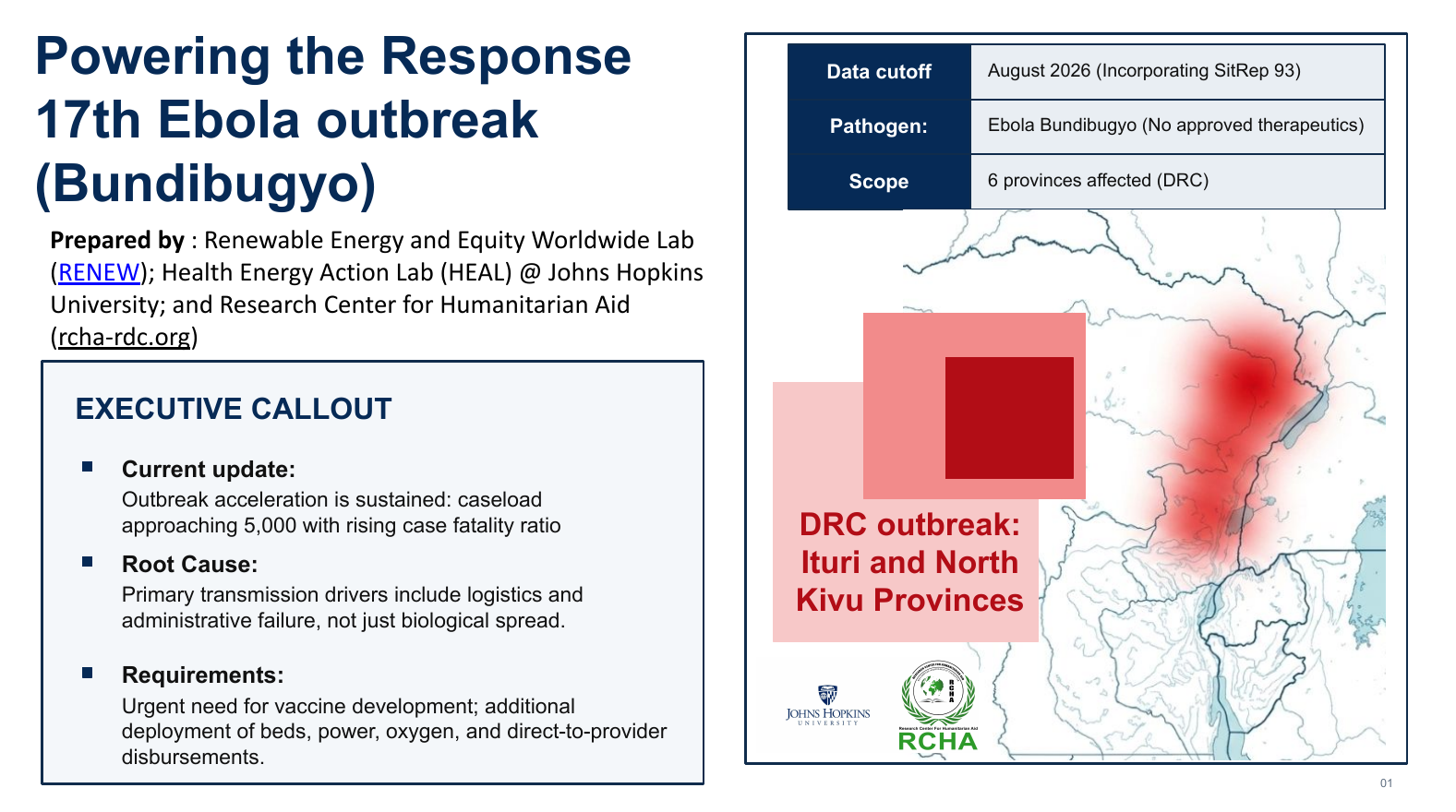
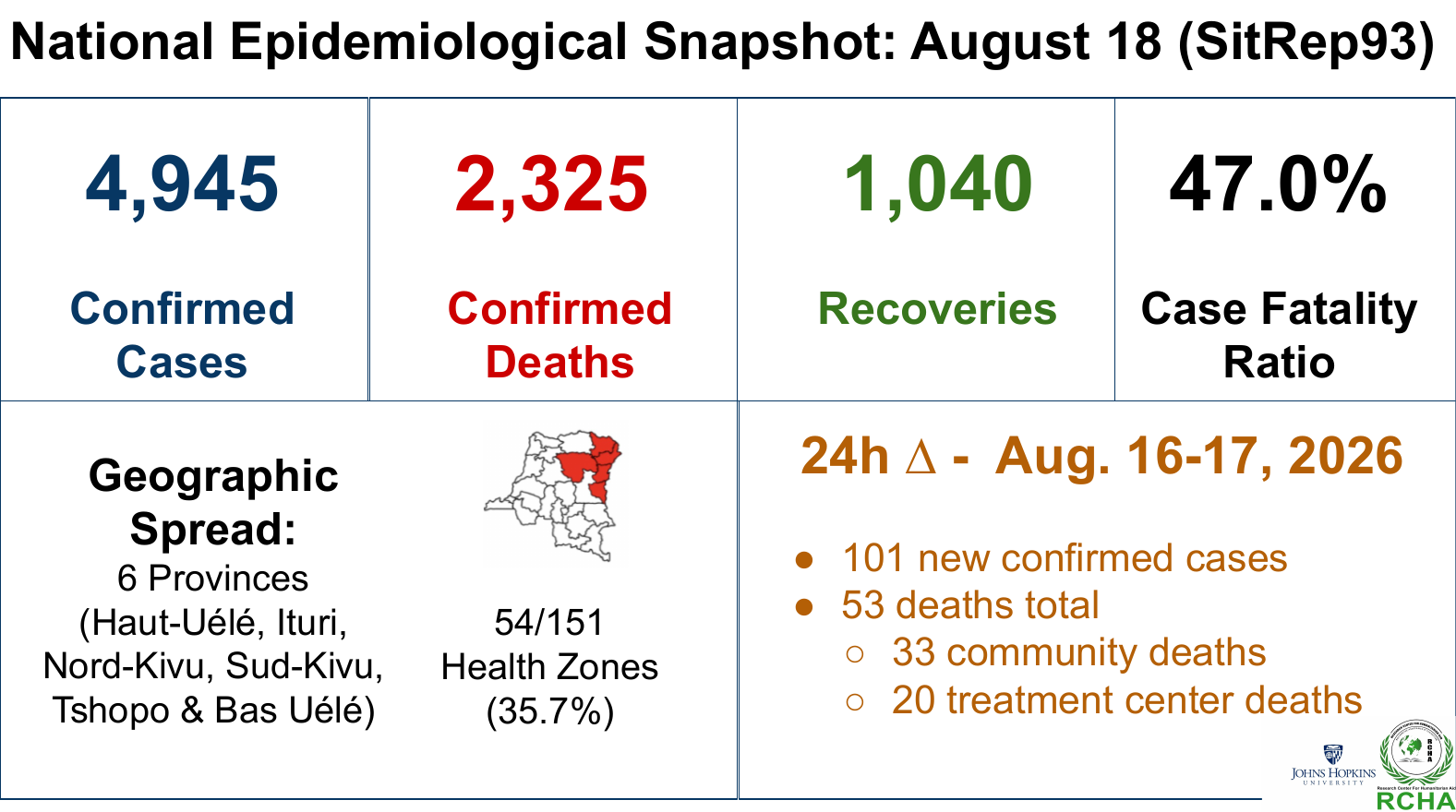
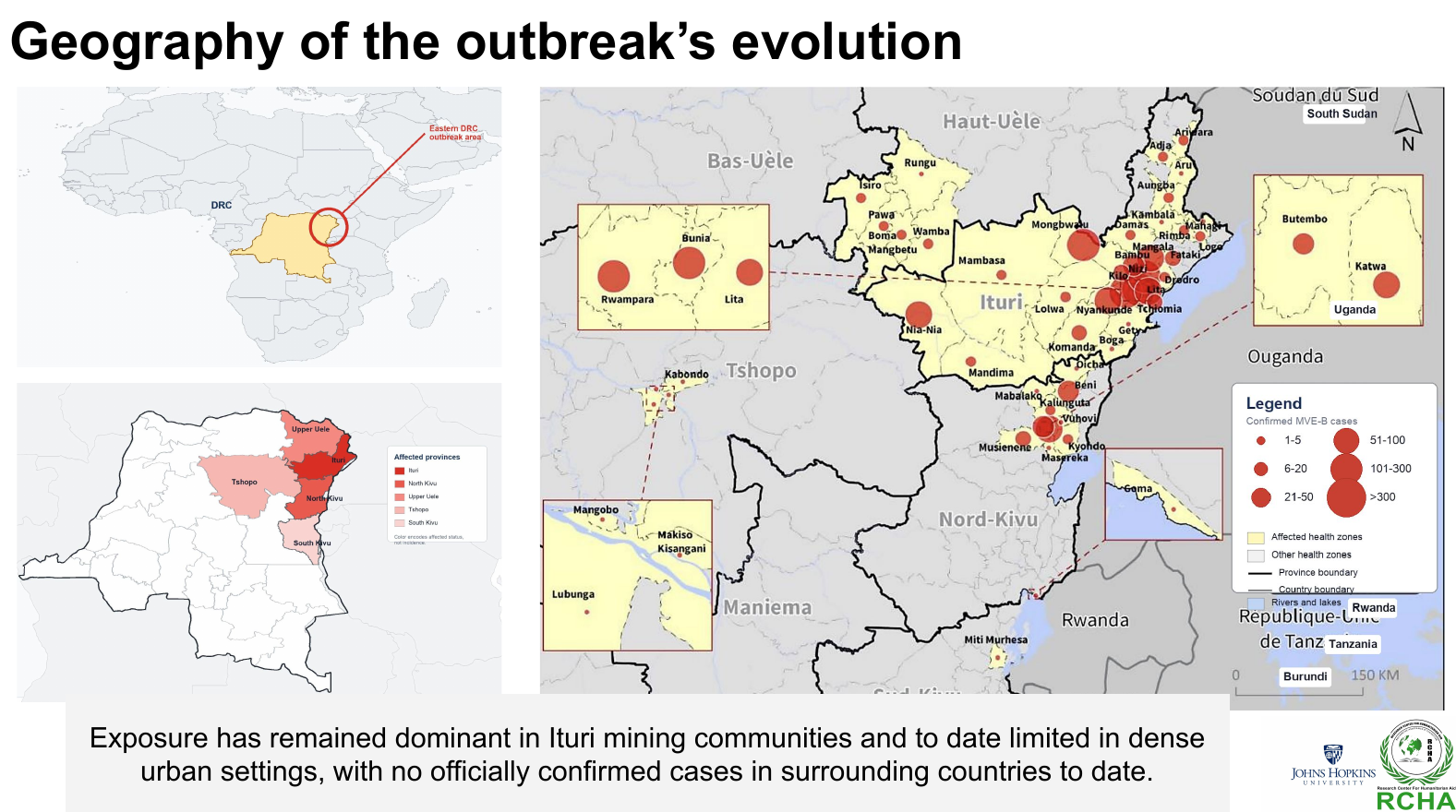
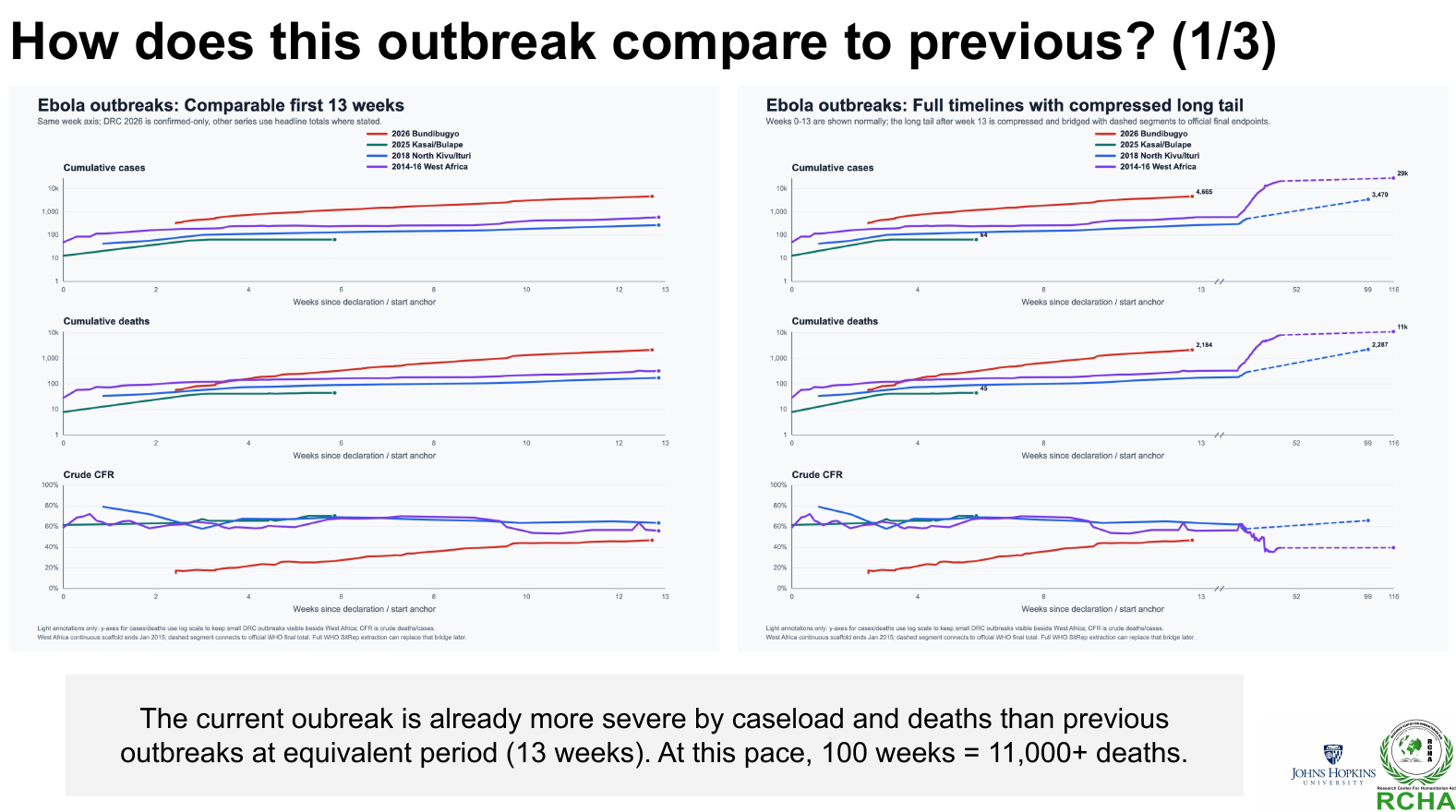
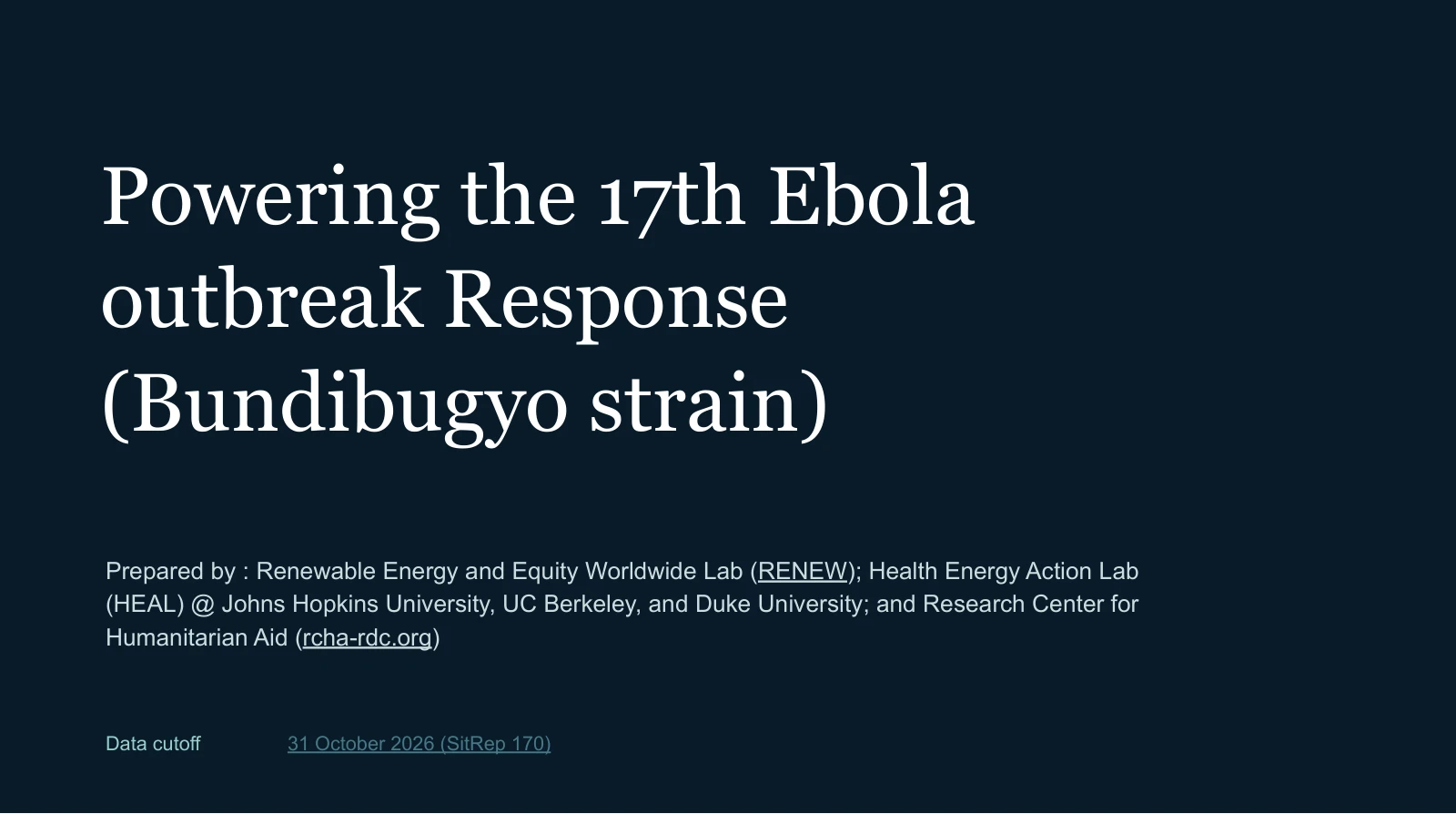
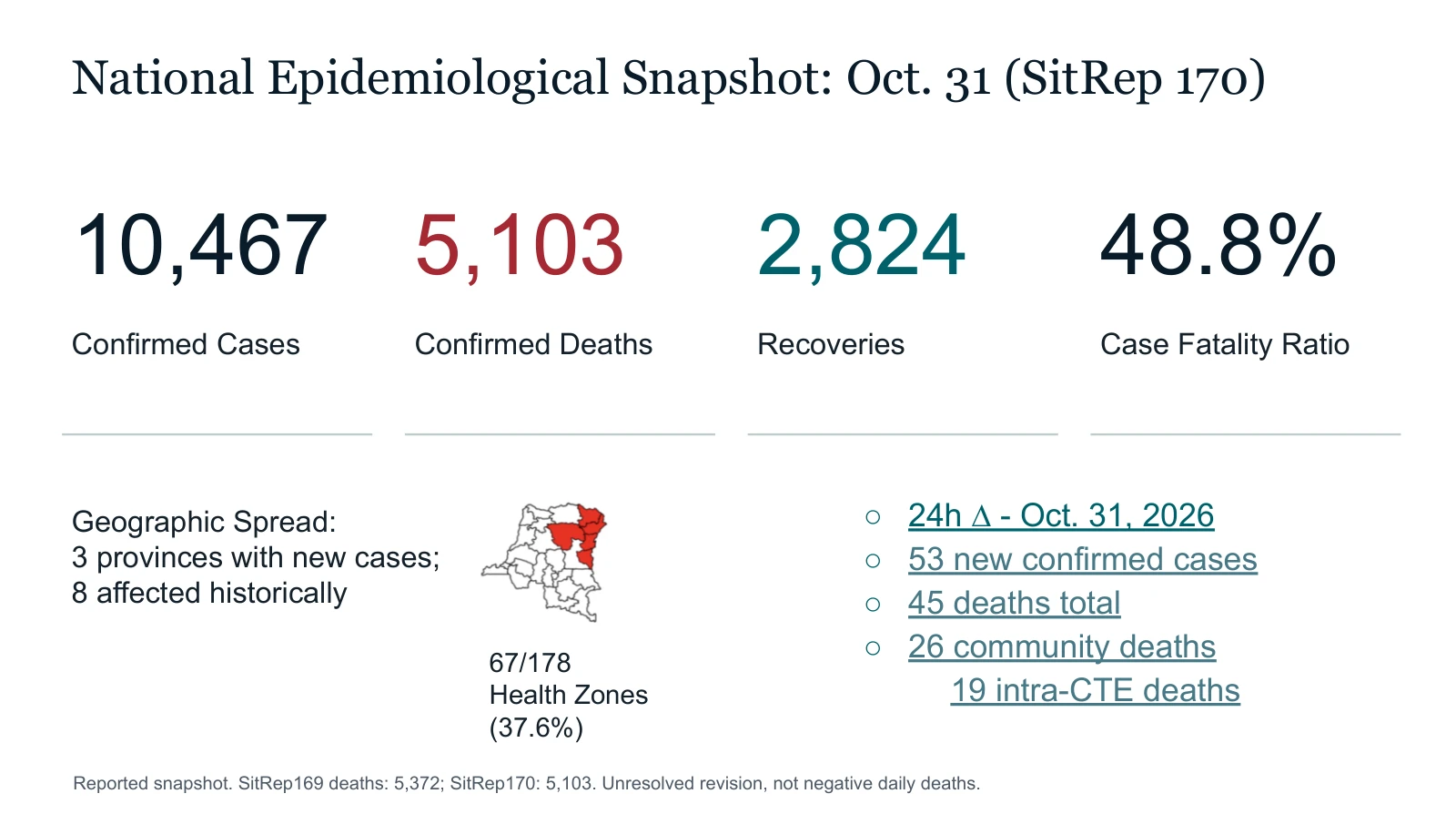
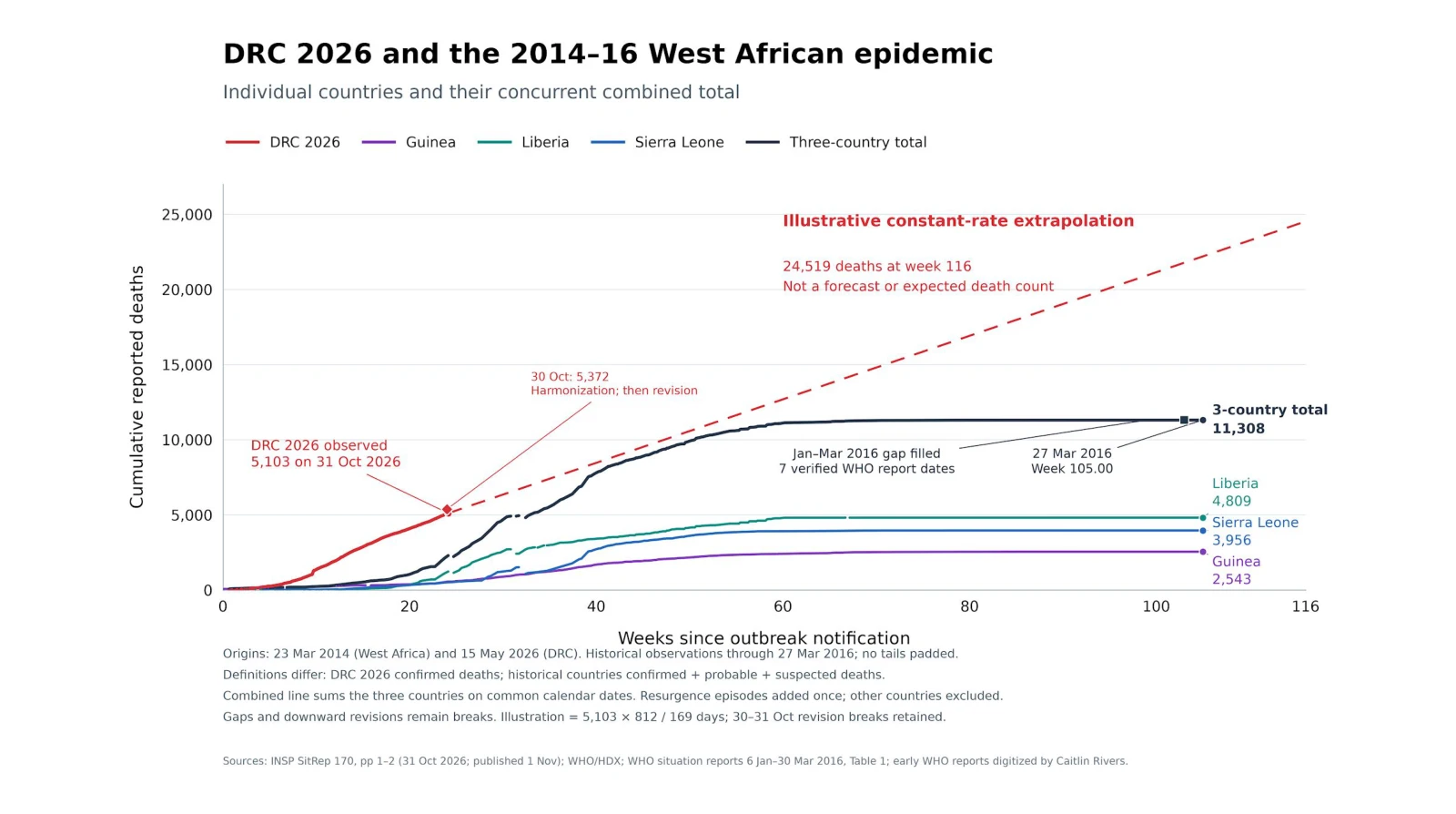
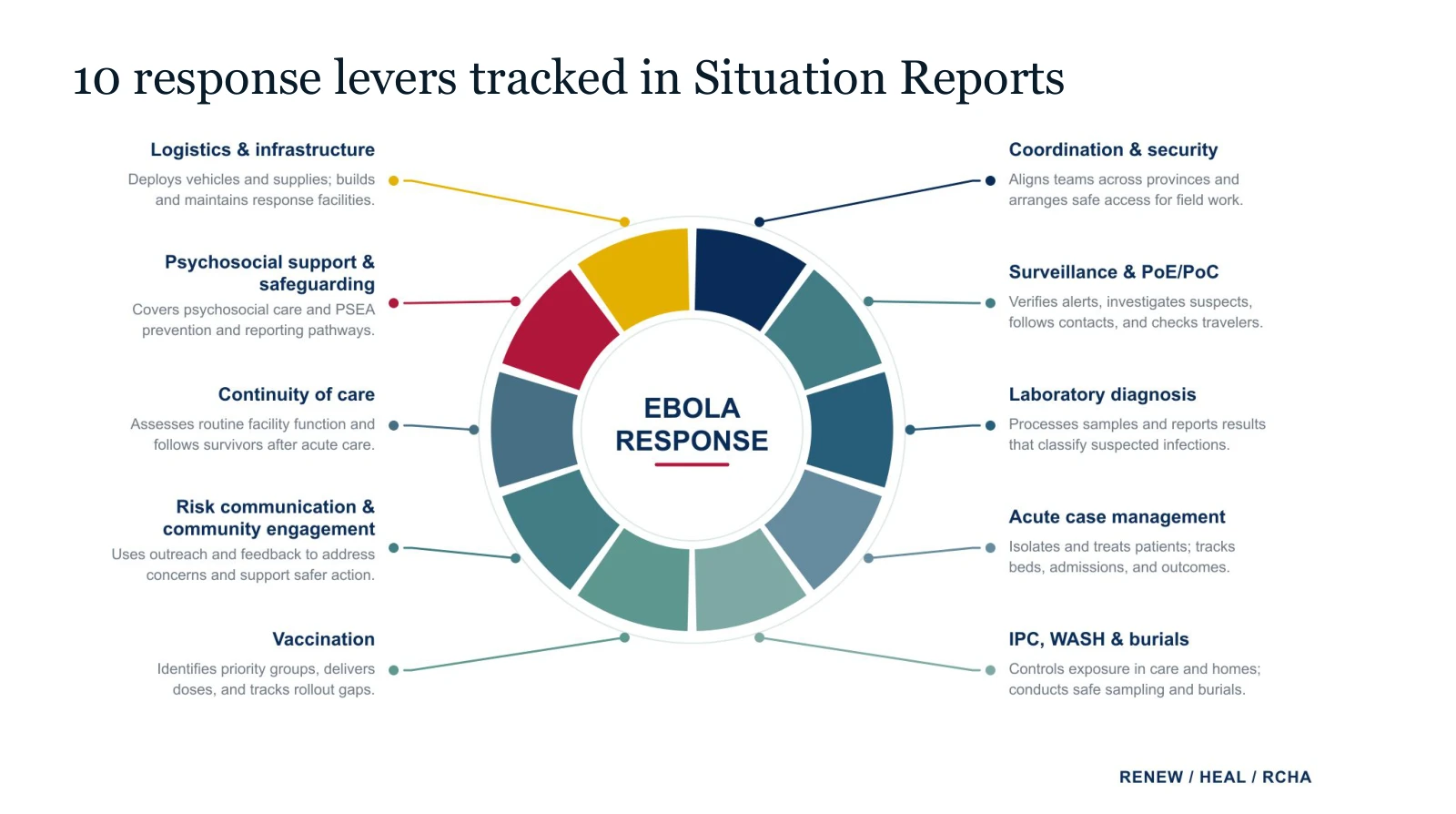
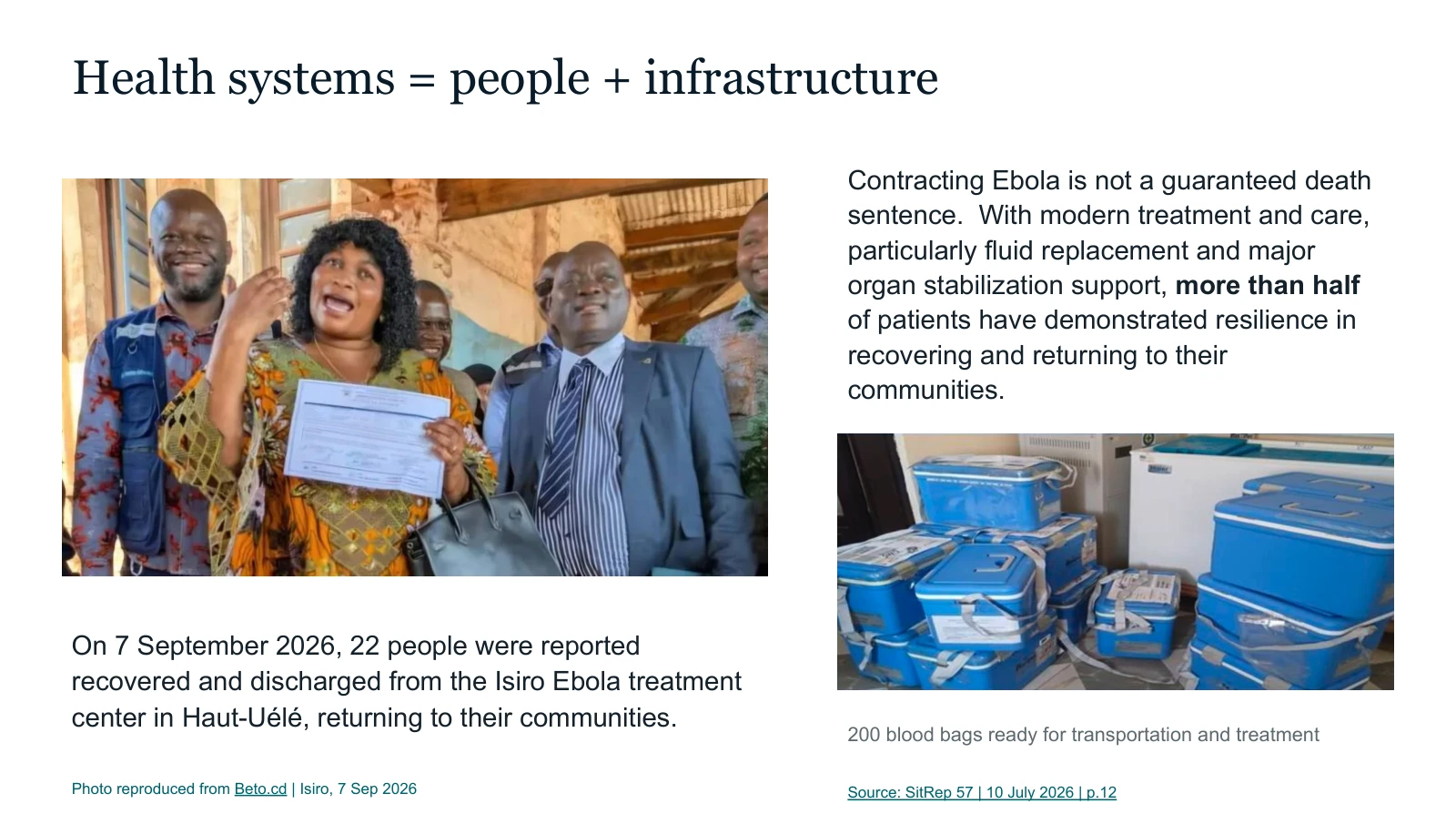
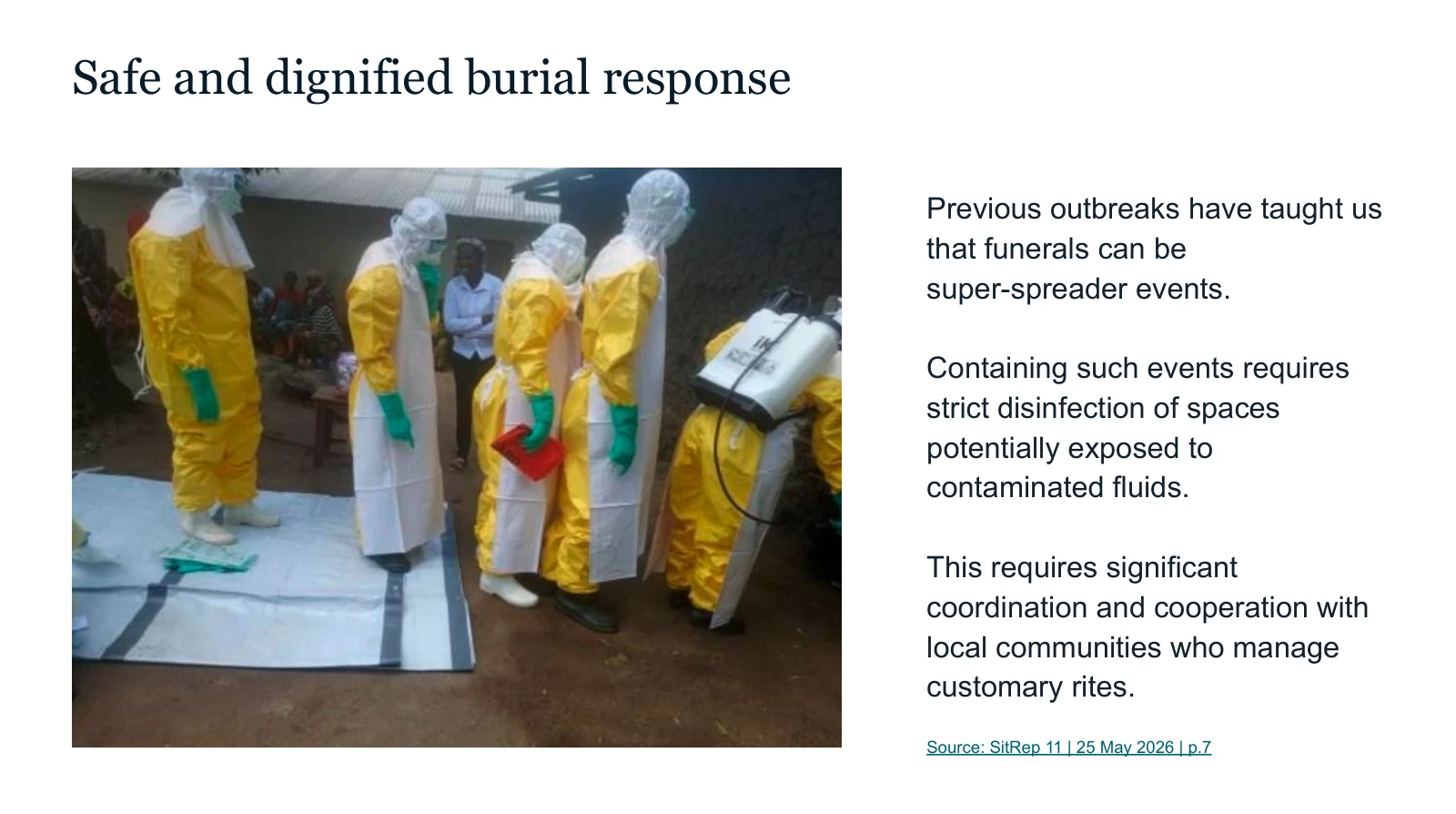
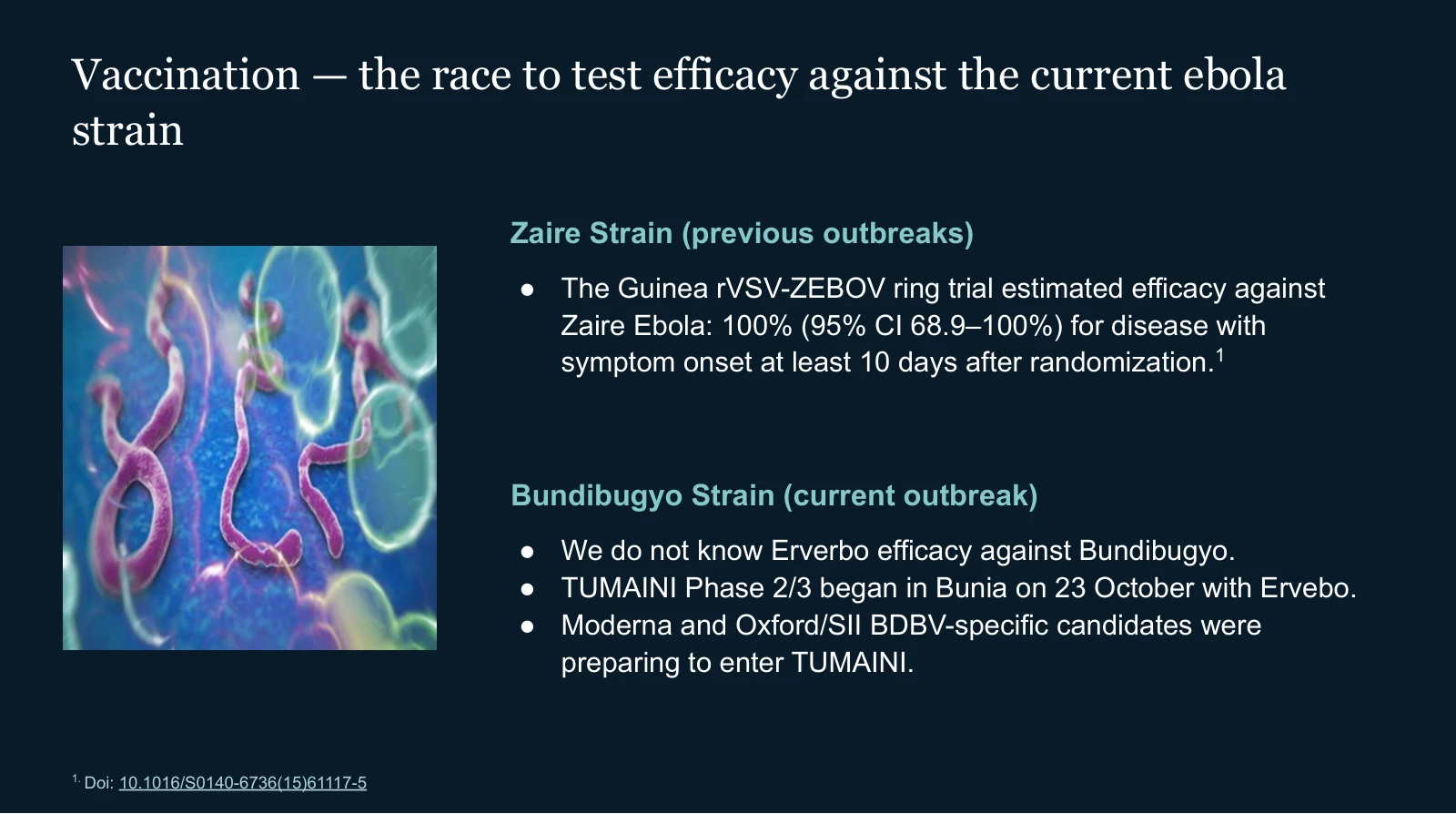
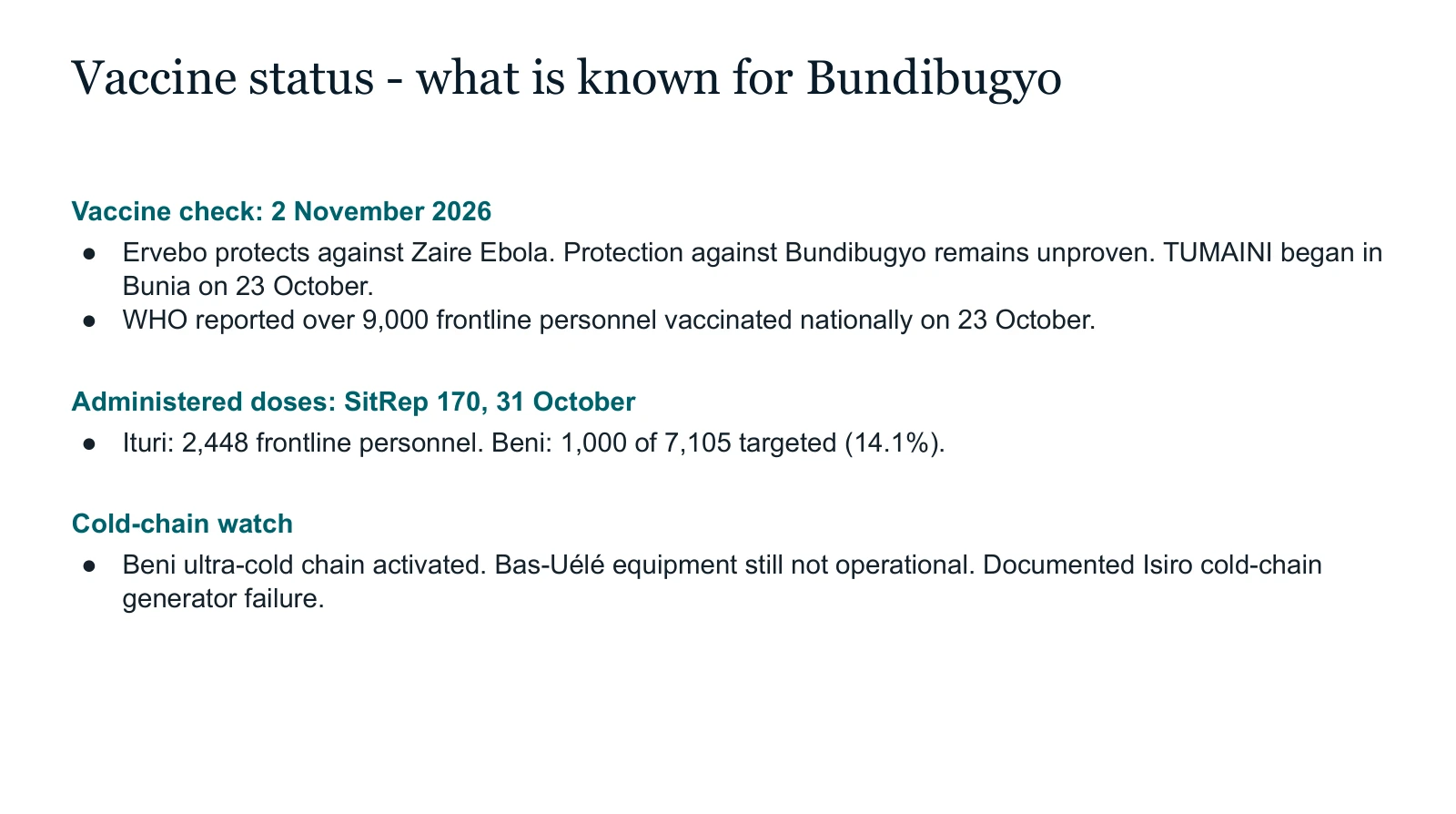
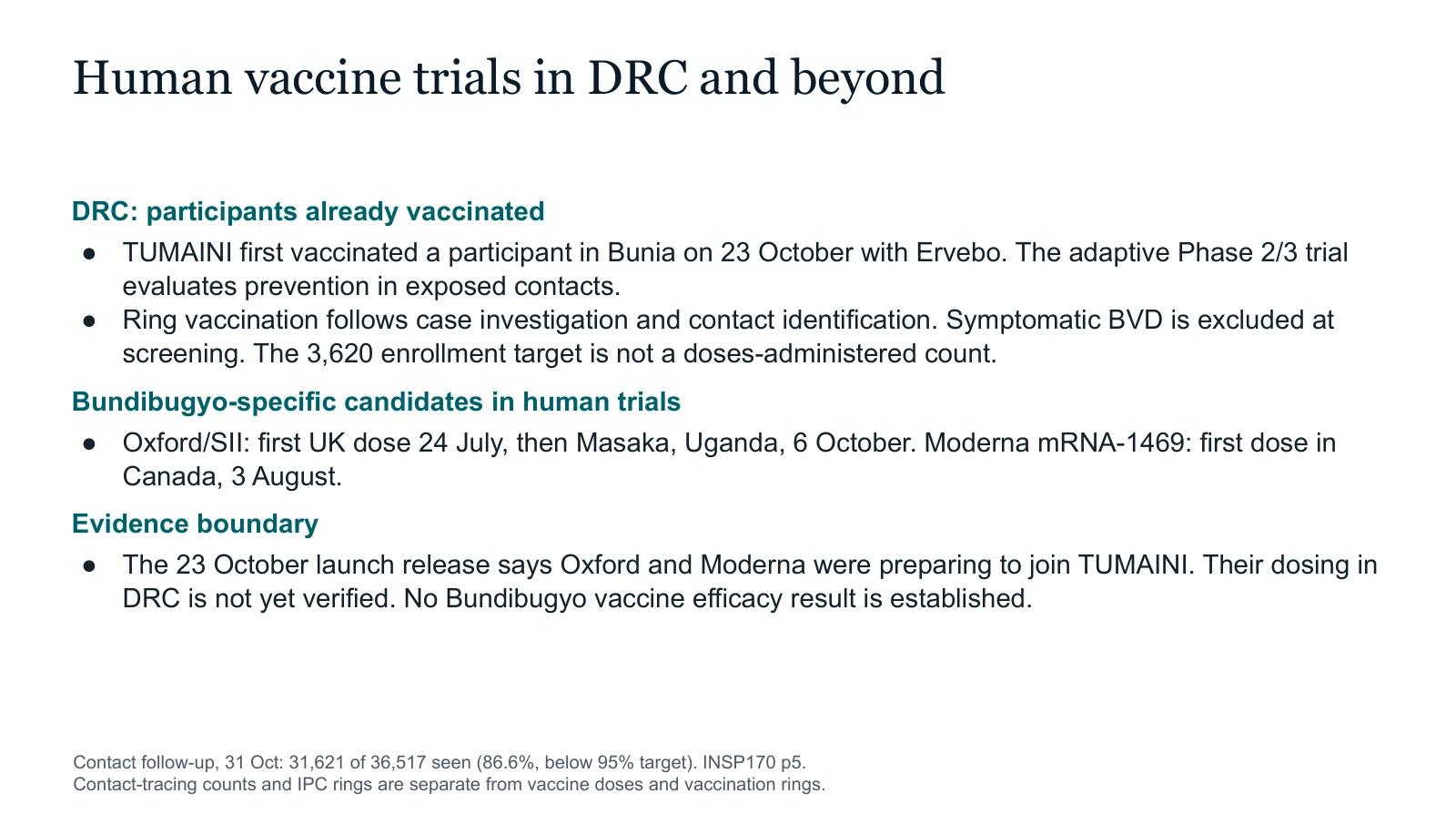
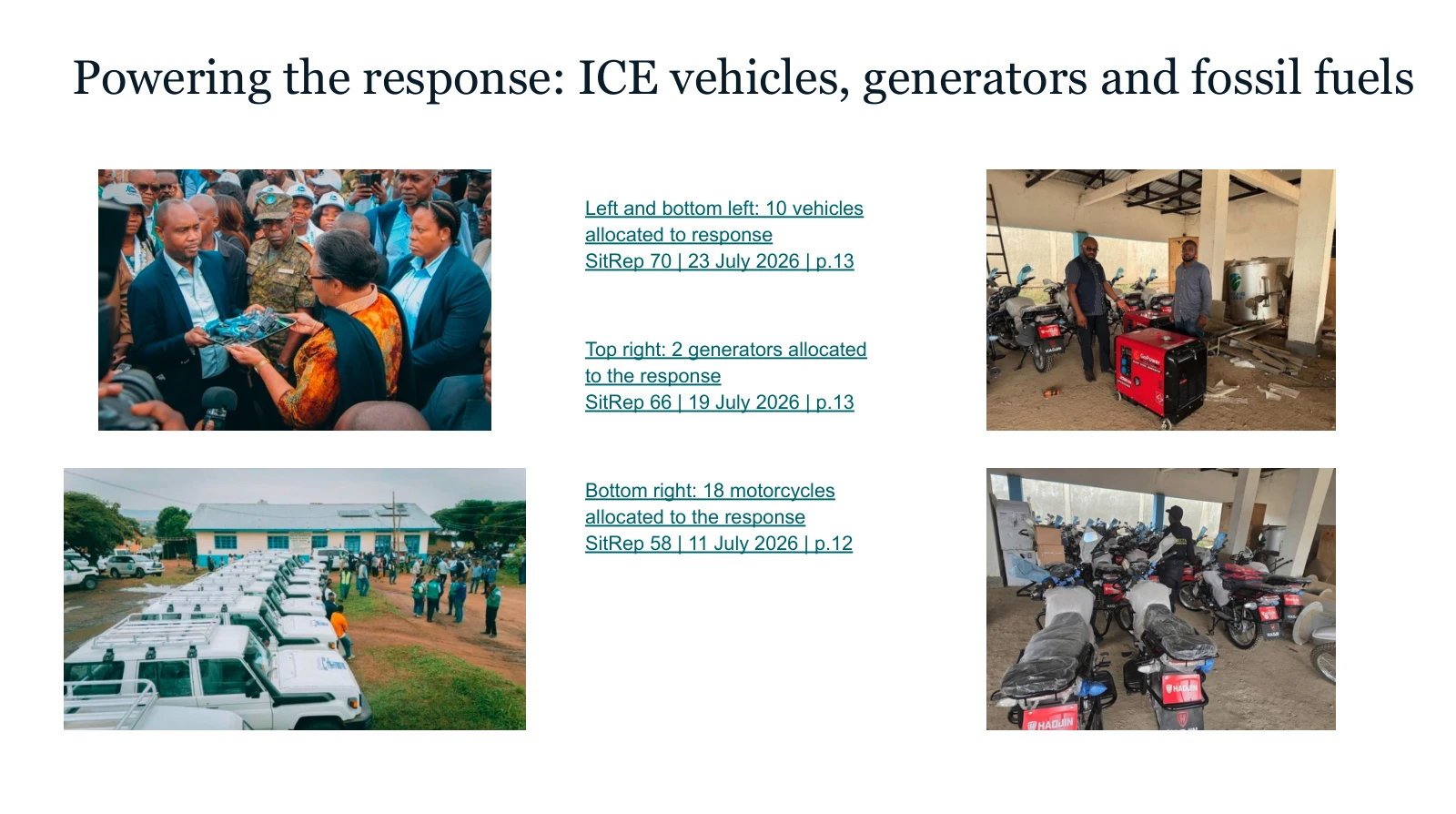
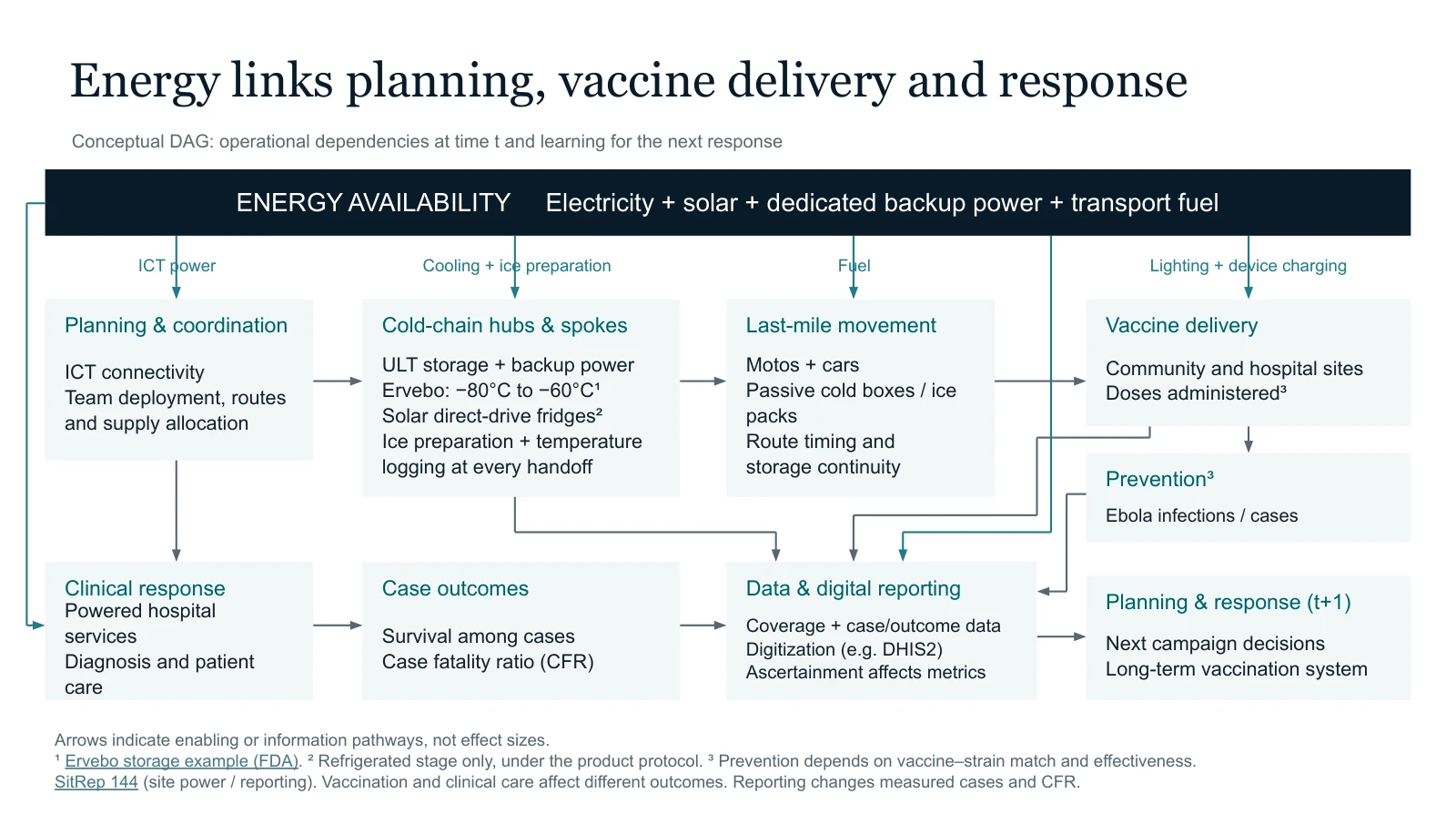
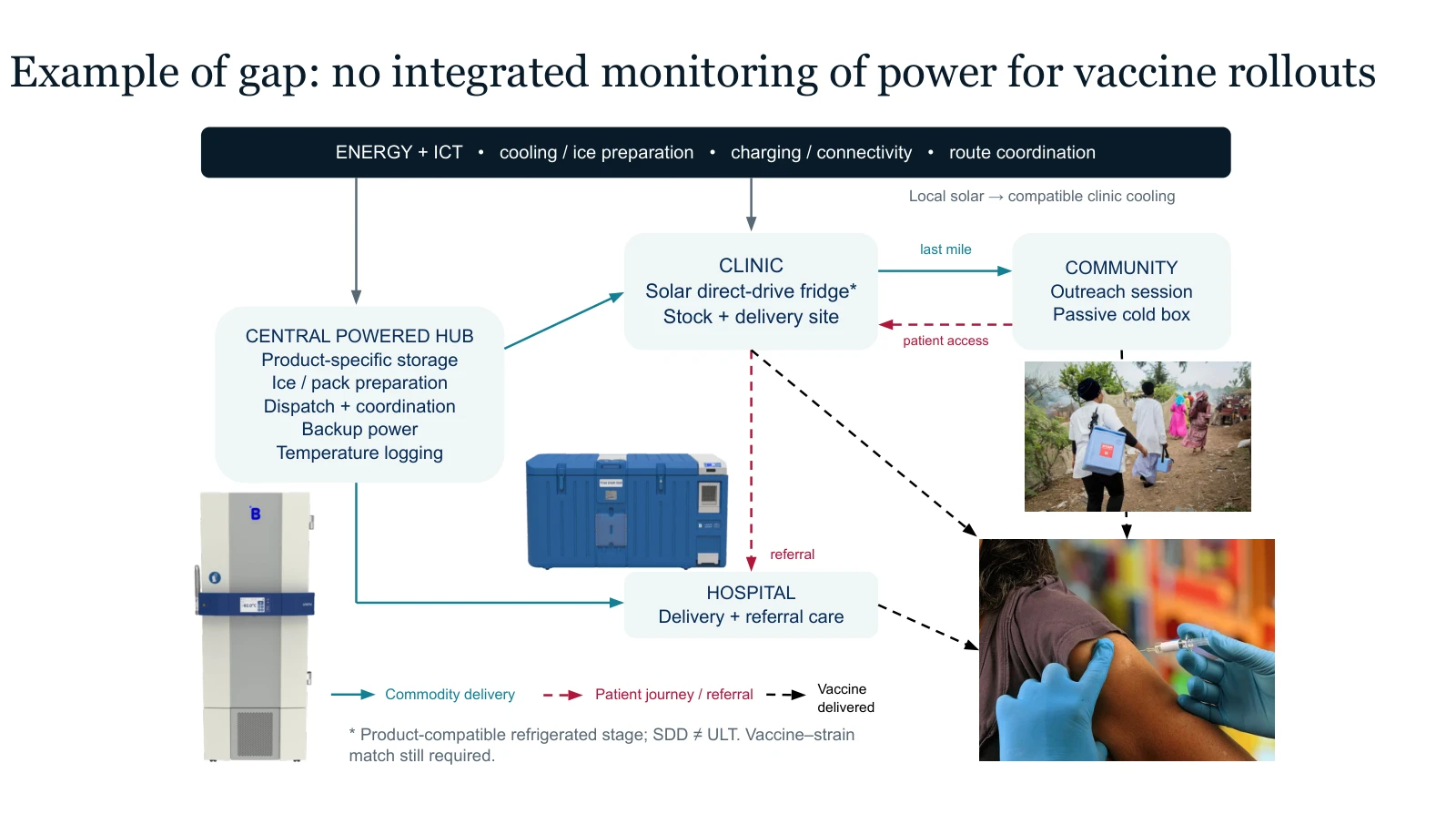
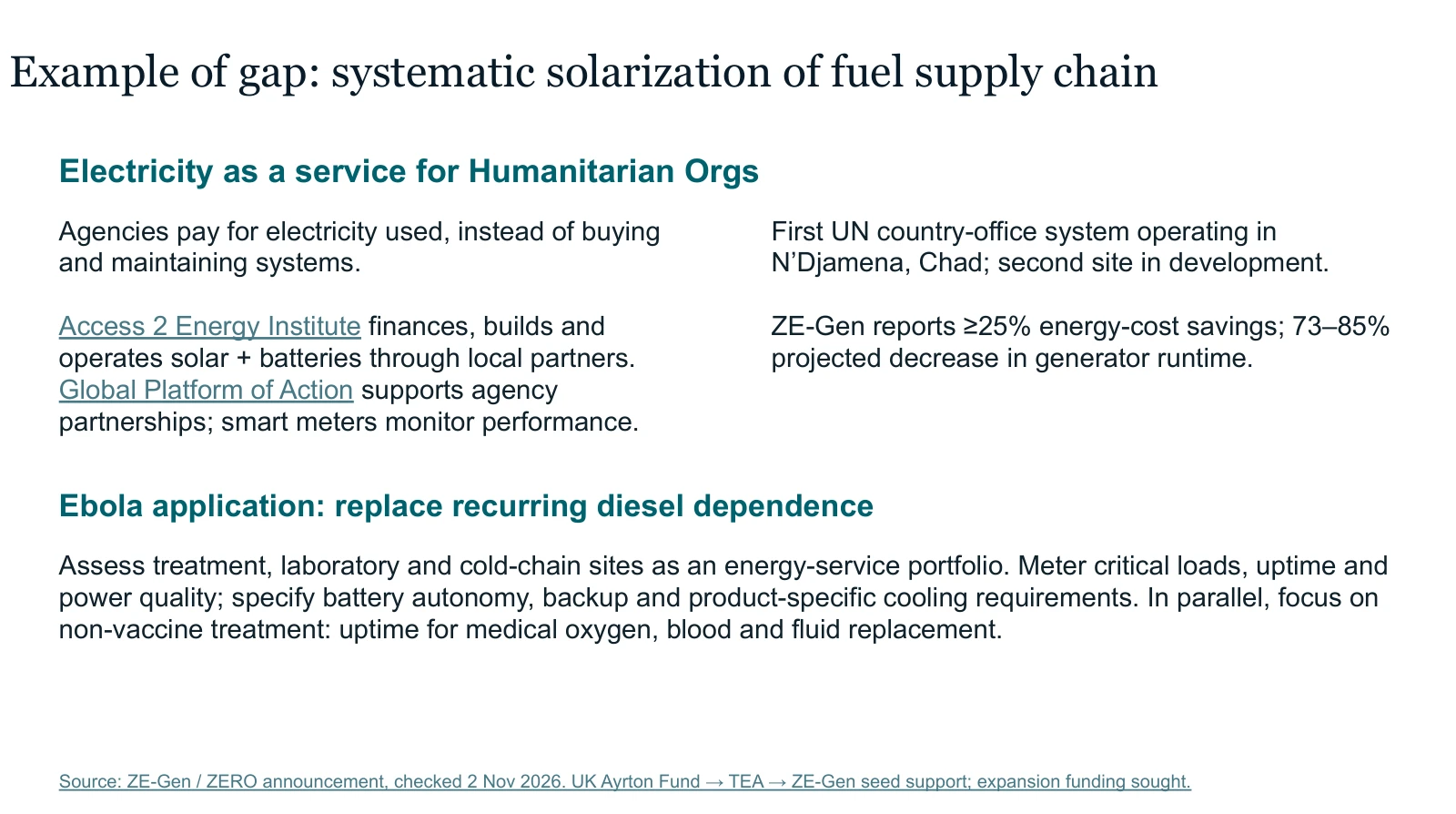
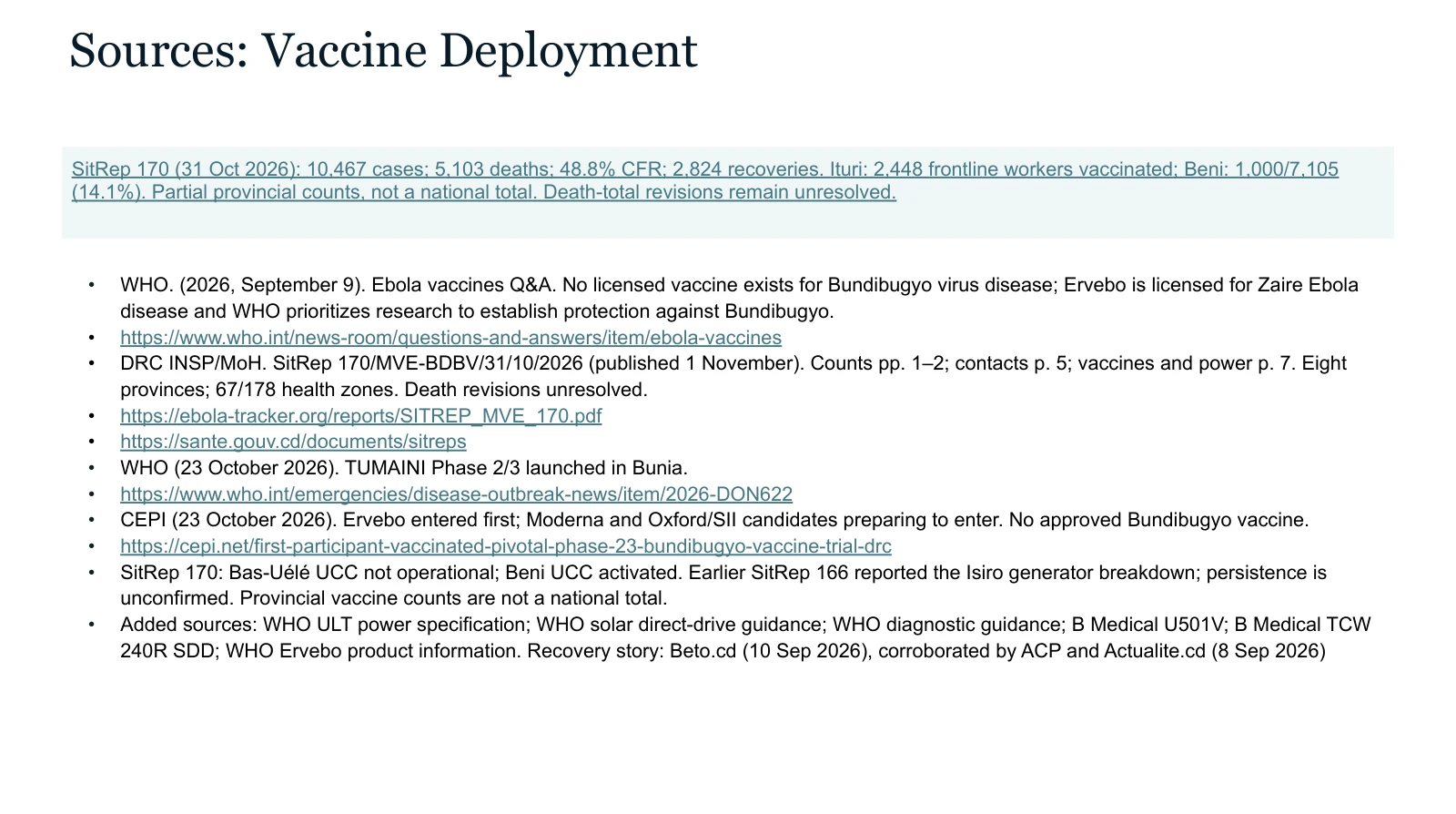
The Bundibugyo outbreak response, vaccine trials and delivery, and the energy infrastructure needed to support care. Briefing dated November 2, 2026; epidemiological data through October 31 (SitRep 170).
A working gallery for fieldwork, collaborators, infrastructure, and context.
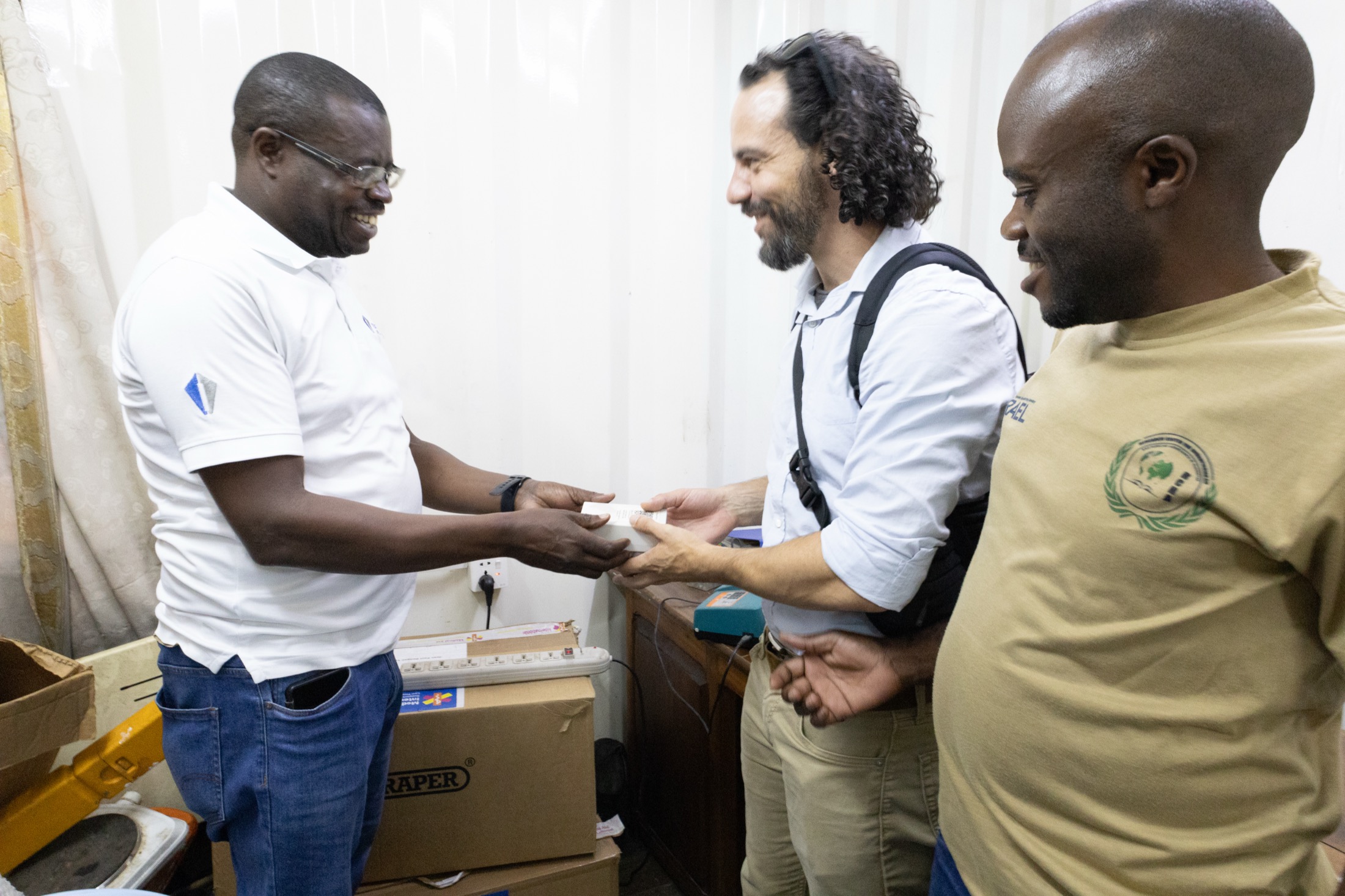
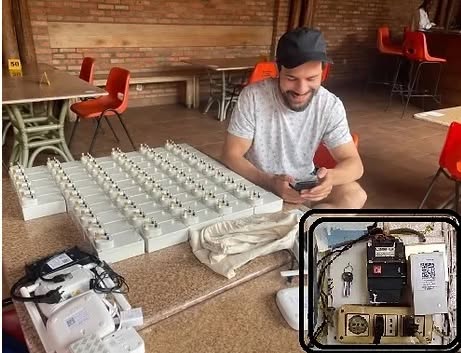
Sensor handoff with field partnersField travel with partnersnLine sensor preparationPhoto credit: Noah KlugmanRCHA field archiveRCHA field archivePhoto essayPhoto credit: Kersey 2024Photo essayPhoto credit: Kersey 2024Photo essayPhoto credit: Kersey 2024Photo essayPhoto credit: Kersey 2024Photo essayPhoto credit: Kersey 2024Photo essayPhoto credit: Kersey 2024Photo essayPhoto credit: Kersey 2024Field documentationHealth facility contextPhoto credit: Kersey 2024Infrastructure and carePhoto credit: Kersey 2024Implementation detailSystems in contextPhoto credit: Kersey 2024Project archivePhoto credit: Kersey 2024Energy and healthPhoto credit: Kersey 2024Local contextFacility operationsPhoto credit: Kersey 2024Applied researchOn-site evidenceProject archivePhoto credit: Kersey 2024Photo essayPhoto credit: Kersey 2024Photo essayPhoto credit: Kersey 2024Photo essayPhoto credit: Kersey 2024Photo essayPhoto credit: Kersey 2024Photo essayPhoto credit: Kersey 2024Photo essayPhoto credit: Kersey 2024RCHA field archiveRCHA field archiveRCHA field archiveRCHA field archiveRCHA field archiveRCHA field archiveRCHA field archiveRCHA field archiveRCHA field archiveRCHA field archiveRCHA field archiveRCHA field archive
Sensor handoff with field partnersField travel with partnersnLine sensor preparationPhoto credit: Noah KlugmanRCHA field archiveRCHA field archivePhoto essayPhoto credit: Kersey 2024Photo essayPhoto credit: Kersey 2024Photo essayPhoto credit: Kersey 2024Photo essayPhoto credit: Kersey 2024Photo essayPhoto credit: Kersey 2024Photo essayPhoto credit: Kersey 2024Photo essayPhoto credit: Kersey 2024Field documentationHealth facility contextPhoto credit: Kersey 2024Infrastructure and carePhoto credit: Kersey 2024Implementation detailSystems in contextPhoto credit: Kersey 2024Project archivePhoto credit: Kersey 2024Energy and healthPhoto credit: Kersey 2024Local contextFacility operationsPhoto credit: Kersey 2024Applied researchOn-site evidenceProject archivePhoto credit: Kersey 2024Photo essayPhoto credit: Kersey 2024Photo essayPhoto credit: Kersey 2024Photo essayPhoto credit: Kersey 2024Photo essayPhoto credit: Kersey 2024Photo essayPhoto credit: Kersey 2024Photo essayPhoto credit: Kersey 2024RCHA field archiveRCHA field archiveRCHA field archiveRCHA field archiveRCHA field archiveRCHA field archiveRCHA field archiveRCHA field archiveRCHA field archiveRCHA field archiveRCHA field archiveRCHA field archive
Photo credits: Jess Kersey, Samuel Miles, Research Center for Humanitarian Aid
Partnerships
Technology providers, public agencies, think tanks, civil society, and private sector partners.
I coordinate partnerships between technology providers, government agencies, think tanks, civil society, and the private sector. Key partnerships I have built and developed include nLine, A2EI, OffGridBox, and UNOPS / Sustainable Energy for All.
nLineA2EIUNOPSSustainable Energy for AllAREANSERDPSOffGridBox
Contact
Consulting, talks, advising, research partnerships, and project design.
Useful conversations often begin with a concrete implementation question: where power is failing, what data can prove, and which institutions need to act on it.
Health facility electrification workshopWHO Health Cluster presentation